
Need help choosing the right system?
Running this application in your facility?
We've built custom cooling solutions for this exact use case. Let us design one tailored to your setup.
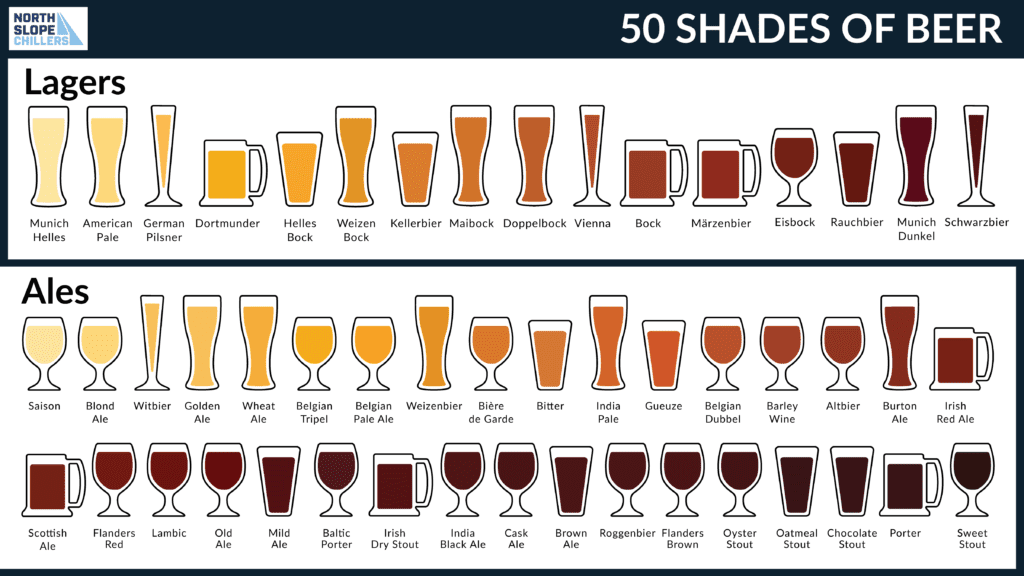
50 Shades of…Beer
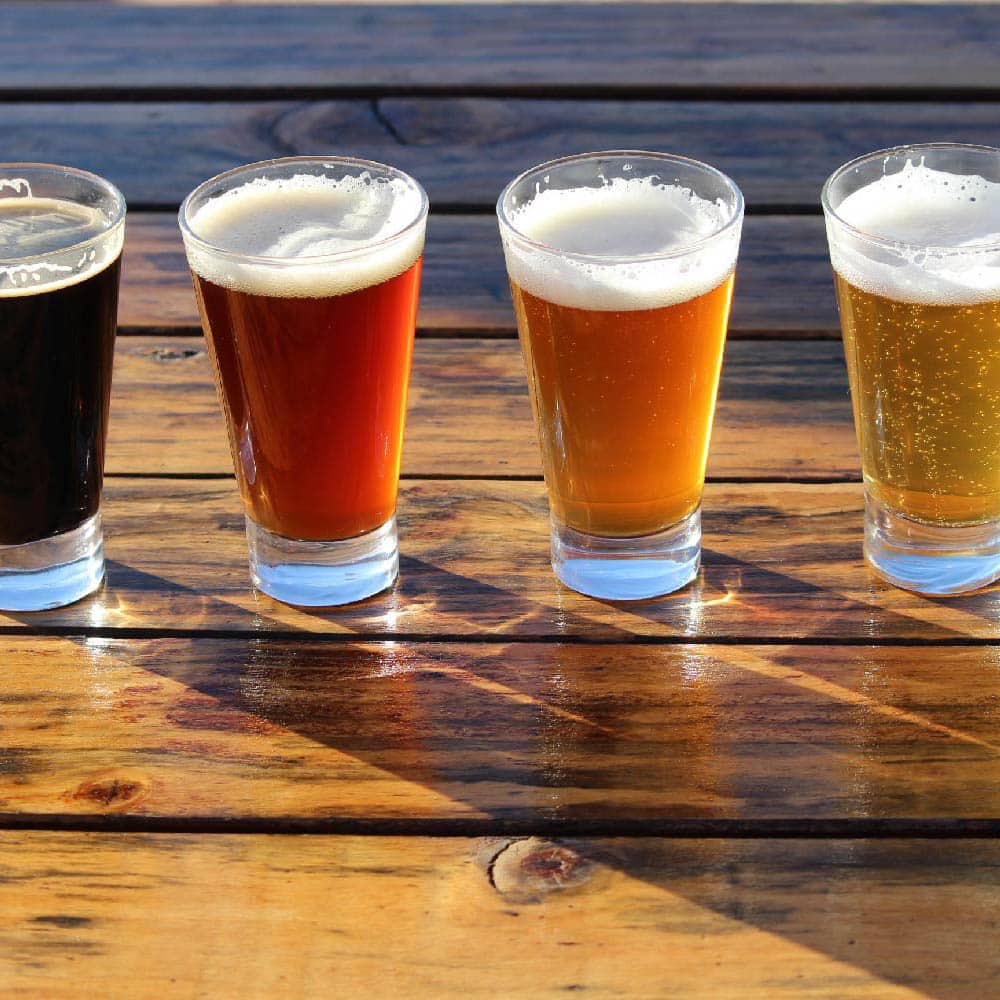
When handed a glass of beer, first look, then taste. Let your eyes drink it in before your taste buds. Taking a moment to experience the colorful visual appeal will enhance the experience. Let us explore the science behind the art of beer color.
The Color of Chemistry
The beer color spectrum contains a wide variety that range from pale yellow to jet black.

Color and appearance have a huge influence on which beer selection is the most appealing to various consumers. So how are all these colors produced?
There are many different factors that can influence the overall color and clarity of a brew. Some of these factors include:
- yeast strain
- filtration
- aging time
- pH level
- oxygen level
- hops variety
- wort chilling
- specialty ingredients
The factors that have the biggest impact on color variation are the chemical reactions that occur during the malting process.
There are 2 types of chemical reactions that affect final brew color:
The Maillard Reaction
The Maillard Reaction is a chemical process between amino acids and sugars that gives browned foods their specific flavor. Searing steak and toasting bread are examples of food experiencing the Maillard Reaction. Roasting grains during the malting process affects the darkness of the malt, darkness of the beer, overall taste, and aroma.
Caramelization
Caramelization is a chemical reaction that involves the browning of sugars and can occur during boiling in the malting process. The longer the boil, the darker the color of the finished beer. This process can produce sweet and buttery flavors and aromas.
Measuring Color
Through the ages categorizing beer colors has changed and become much more scientific and precise. Previous color measuring methods, such as the Lovibond scale, compared beer to pre-set color samples. However, this method relied too much on the visual appearance of beer and could be compromised by human error such as color blindness. Brewers now have a much more precise method for measuring the wide range of subtle color options for beers, known as the SRM.
What is SRM?
The Standard Reference Method is the finished beer and malt color measurement system adopted by the American Society of Brewing Chemists (ASBC) since 1950. This method uses a spectrophotometer to measure the absorption of a specific wavelength of light through 1 cm of beer. Other brewing agencies such as the European Brewing Convention have also converted to measuring light absorption as well.
Let North Slope Chillers help you perfect your brew across the whole spectrum. Portable fermentation chillers from North Slope Chillers can keep your ingredients and equipment at optimal temperatures throughout the brewing process with very little effort.
Contact us to find the right fermentation chilling solution for your needs:
(866) 826-2993 or email us at sales@northslopechillers.com
Frequently Asked Questions
How does temperature affect beer color during brewing?+
Higher mash and boil temperatures promote Maillard reactions between sugars and amino acids, darkening the wort. Longer boil times also deepen color through caramelization. Precise temperature control during mashing allows brewers to influence color independently of using specialty malts.
Does fermentation temperature affect the final beer color?+
Fermentation temperature has minimal direct effect on color, but it influences yeast behavior. Higher fermentation temperatures can increase yeast-in-suspension, making beer appear cloudier and darker. Cold conditioning (lagering) drops yeast out of suspension, producing a clearer, lighter-appearing beer.
Why is color consistency important in commercial brewing?+
Color is one of the first attributes consumers evaluate, and inconsistent color suggests inconsistent process control and flavor. Brand standards typically specify an SRM (Standard Reference Method) color range for each beer, and maintaining this consistency requires precise temperature control throughout the brewing process.
Ready to solve your cooling challenge?
Our team has helped thousands of businesses find the right chiller solution. Let us help you next.
Keep exploring: Applications
This article is part of our Applications resource collection. Browse all the guides in this topic.