
Need help choosing the right system?
Successful craft breweries have one thing in common: they stay in control of their creation. What’s the best way to keep beer cold?
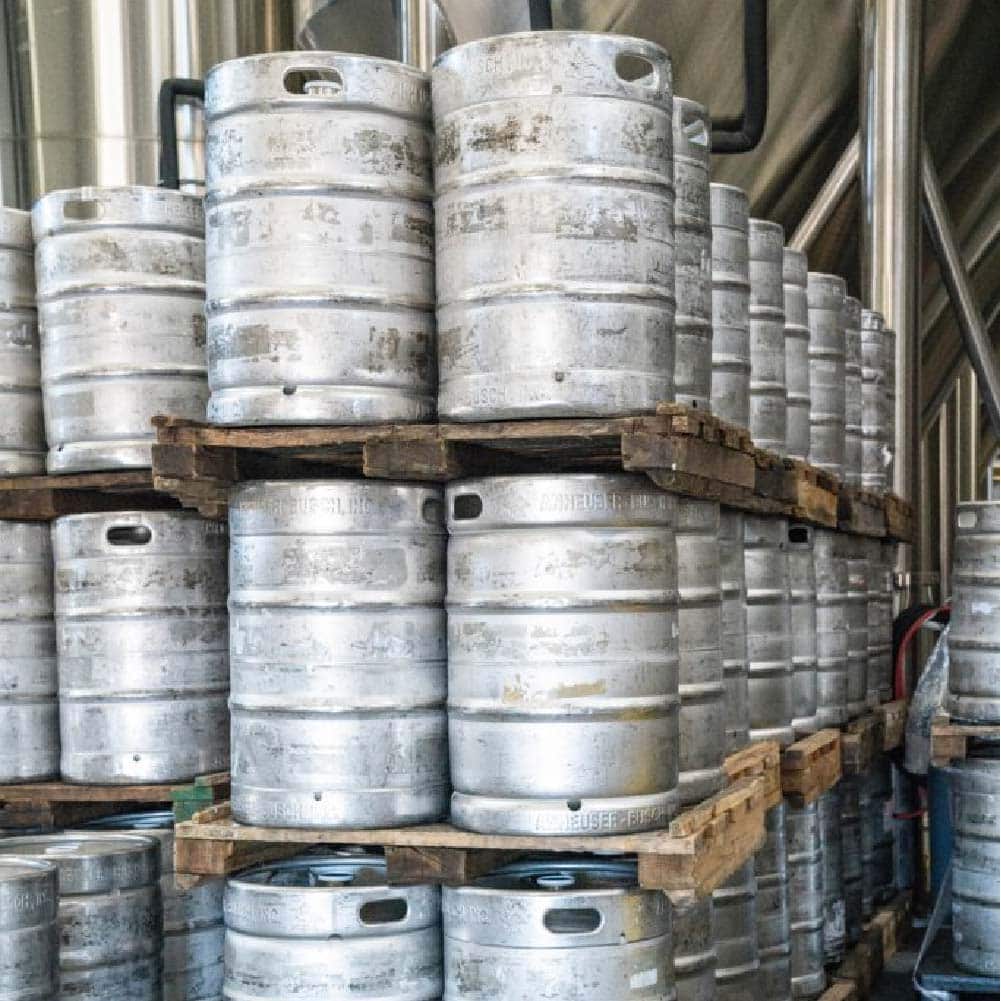
Beer: Stay in Command
Flavor, color and texture are all dependent on how beer is made. Temperature control during the brewing process directly impacts each of those three elements. It’s always been that way, and always will be.
Using Ice and Snow
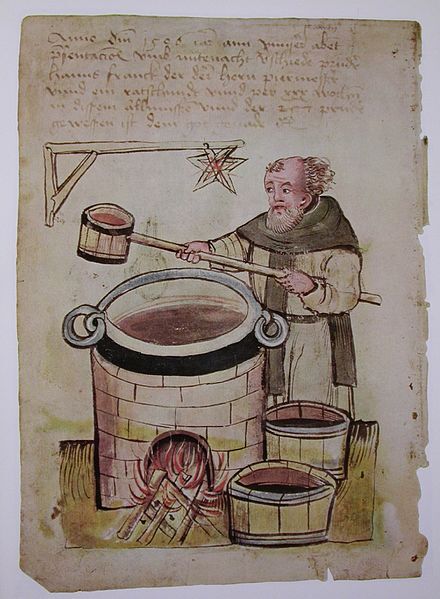
Ever since mankind discovered how to make beer, keeping it chilled has been critical to allowing the fermentation process to work its magic. Fermentation generates heat, so beer makers have had to pay strict attention to temperature control. In the past, most beer producers stored beer in cellars to keep it protected from external heat, while using water and ice to reduce fermentation heat.
A monk brewing beer
Beer chilling methods have changed over time. During the reign of Roman Emperor Nero, distilled water was invented, allowing for colder drinks to be served. In medieval times, ice houses dug into the ground were all the rage in Europe and Asia. Snow was also a commodity used in keeping beer and wine cold. Once the New World was discovered, Spain imposed a tax on snow imported from Mexico that lasted 300 years due to its value in cooling.
In the early colonization of North America, ice caves were essential to keeping beer at a stable temperature. Brewers would layer huge blocks of ice along cave walls, creating a freezer that lowered the air temperature of the cave. It’s said that the success of breweries in Wisconsin was only possible due to the nearby lakes that freeze over during the winter, providing breweries with a massive supply of ice to help with fermenting and storing. To this day, you can still tour the ice caves that used to house barrels of Miller beer.
Beer Spoils
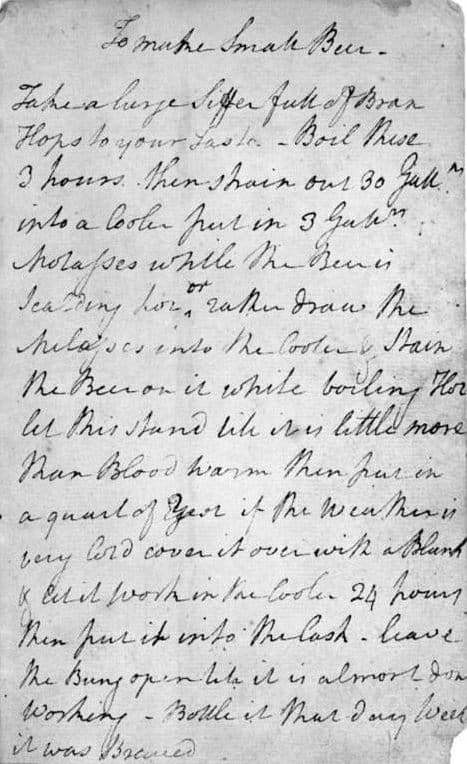
A recipe for beer written by George Washington
When beer isn’t chilled correctly, it often spoils. George Washington had a recipe he used to reclaim spoiled beer due to the difficulty of maintaining a stable temperature. Beer production in Germany from the 16th century to the 19th century was banned during the hot summer months. Overheated beer provides “ideal habitats for noxious airborne bacteria to proliferate and caused yeasts to produce undesirable fermentation flavors.” With few exceptions, most spoiled beer is deemed unusable and simply thrown out.
The First Chiller
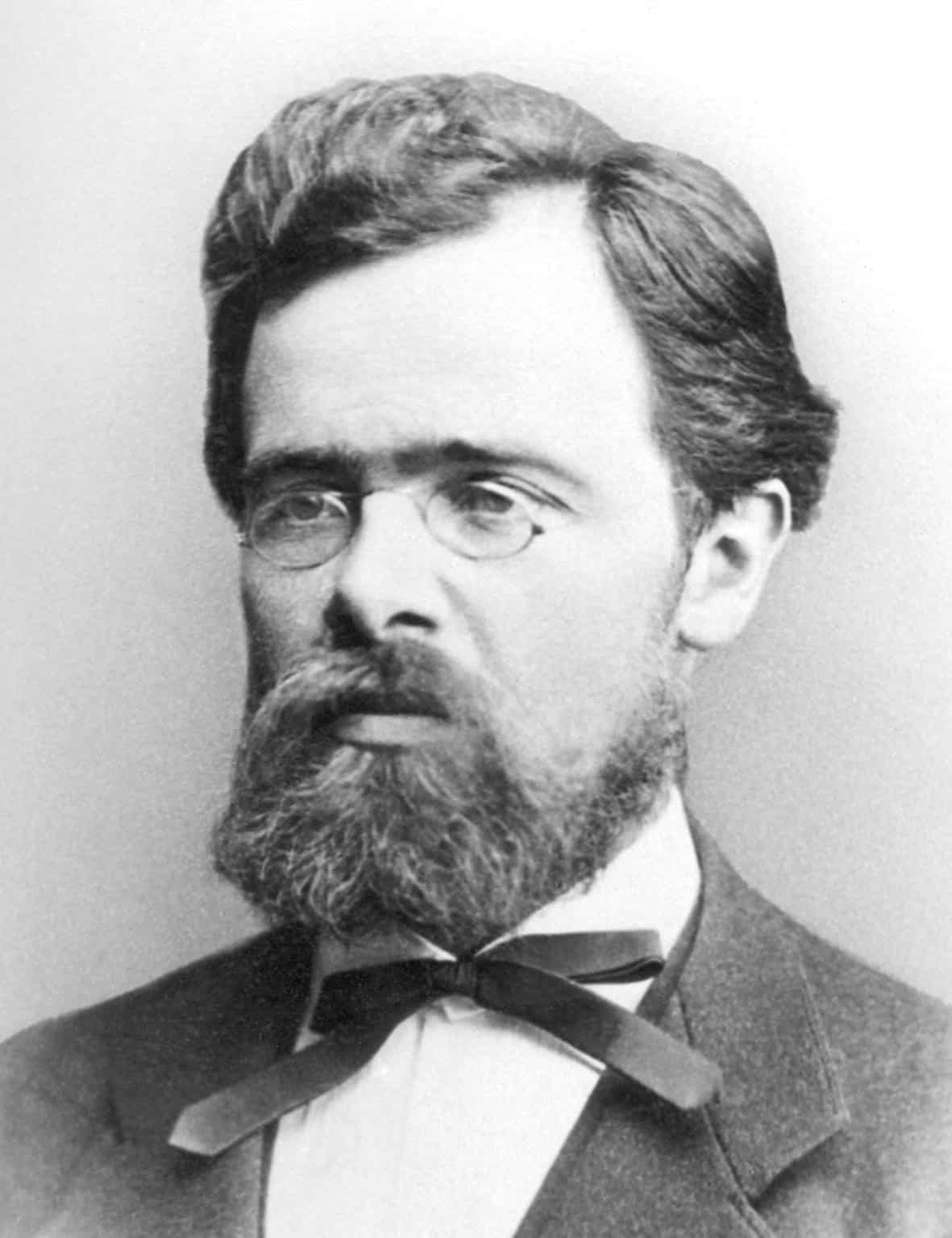
Mechanized temperature control wasn’t a thing until 1873, when German engineer Carl von Linde invented the first chiller machine. According to the Oxford Companion to Beer, von Linde saw a need for artificial refrigeration and found a solution using the basic principles of thermodynamics.
Because cold is merely the absence of heat, to make things cold, one must withdraw heat. Compressing a medium generates heat; subsequently decompressing or evaporating it quickly absorbs heat from its environment. Devices based on this principle are now generally known as vapor-compression refrigeration systems; apply this to a fermenting or lagering vessel, and it becomes a beer-cooling system.
-Oxford Companion to Beer
Carl von Linde, 1868
Dubbing his creation the “ammonia cold machine” due to the use of ammonia as a refrigerant, von Linde’s invention changed the world forever, allowing breweries to ditch the ice caves and produce beer year round. Today, von Linde’s ammonia cold machine has evolved into modern equipment. Commercial beer chillers allow yeast strains to be kept at their optimum temperature and reduce risk of overheating. They also provide beer with a stable storage temperature that works in nearly any environment.
Running this application in your facility?
We've built custom cooling solutions for this exact use case. Let us design one tailored to your setup.
Keg Coolers
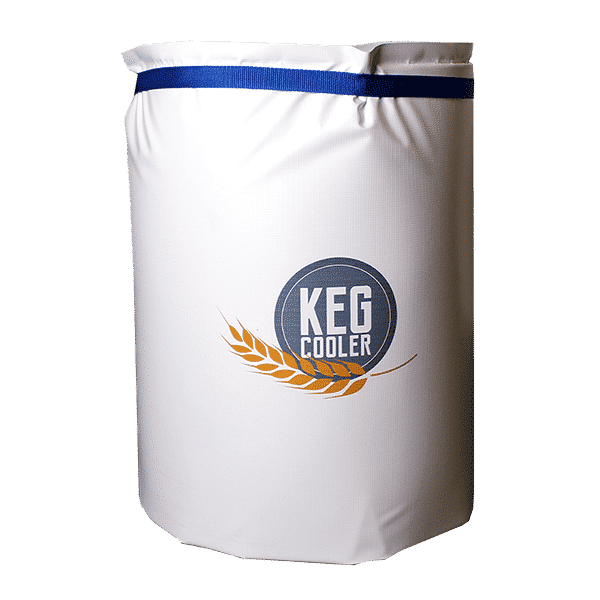
North Slope Chillers offers the best beer chilling equipment on the market. Our Keg Coolers bring peace of mind to large breweries and home brewers alike. With a white vinyl finish to repel heat from sunlight and insulated layering, Keg Coolers draw heat away from the container to ensure beer stays at a set temperature. Portable and easy to use, Keg Coolers are essential for every brewer.
Temperature control in beer making is just as important in 2019 as it was in 3000 B.C. By using North Slope Chillers Keg Coolers, craft brewers can carry on the age-old tradition of using the best temperature control solution available.
Cooling from North Slope Chillers
North Slope Chillers offers easy to install, portable chillers that won’t disrupt your current setup. If you would like to know more about our product offerings, give us a call at (866) 826-2993 .
Frequently Asked Questions
What temperature should beer be chilled to after boiling?+
Wort should be chilled from boiling (212°F) to the yeast pitching temperature as quickly as possible. For ales, this is typically 64°F–72°F; for lagers, 45°F–55°F. Rapid cooling also causes a cold break, which helps clarify the finished beer.
Why is rapid wort chilling important?+
Rapid chilling reduces the risk of contamination by bacteria and wild yeast that thrive in warm wort. It also promotes a clean cold break (protein coagulation), which improves beer clarity and reduces off-flavors like DMS (dimethyl sulfide) that develop while wort stays hot.
Can I chill wort below my tap water temperature?+
Not with a standard counterflow or plate chiller using tap water alone. To reach lager pitching temperatures below your ground water temperature, you need a glycol chiller or pre-chiller (ice bath) inline before your wort chiller to bring the cooling water below ambient.
Ready to solve your cooling challenge?
Our team has helped thousands of businesses find the right chiller solution. Let us help you next.
Keep exploring: Applications
This article is part of our Applications resource collection. Browse all the guides in this topic.