Need help choosing the right system?
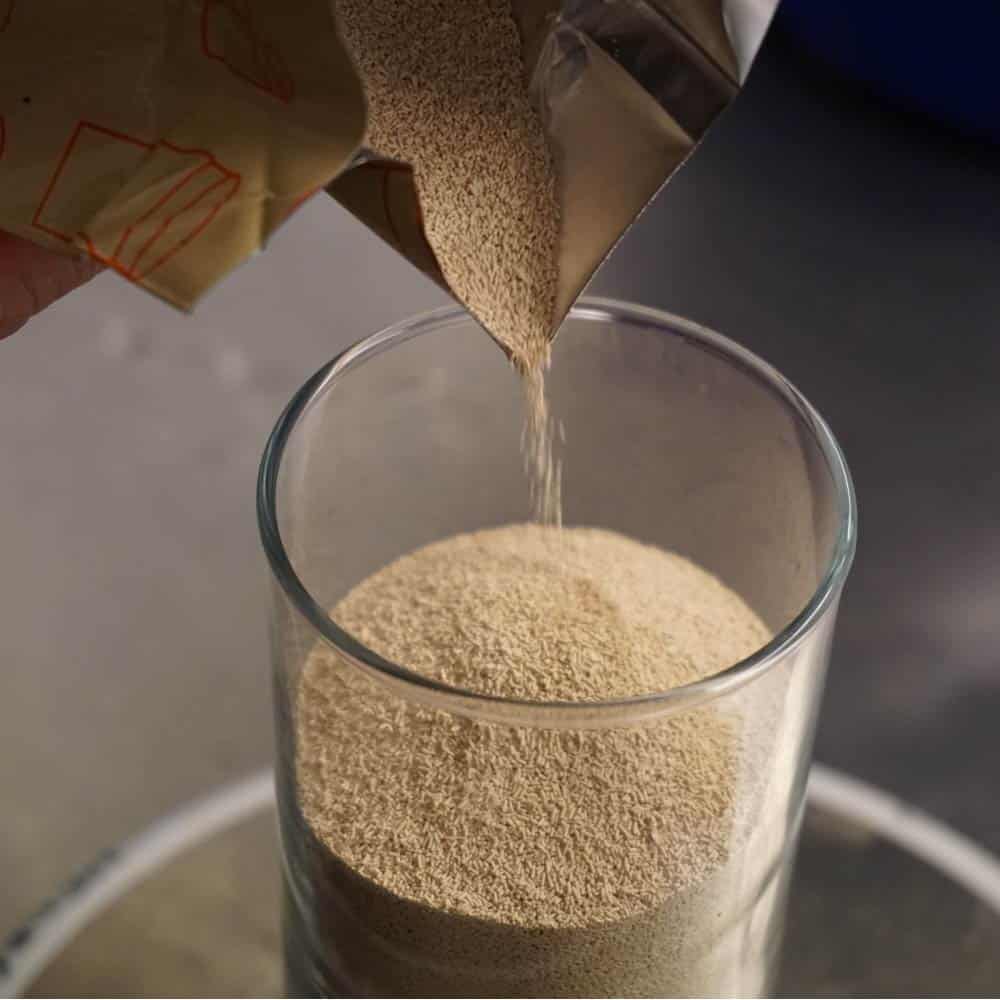
Yeast is a living, breathing microorganism, and without it, beer would not exist. Like any other living organism, yeast needs to be fed and cared for in order for it to thrive.
Happy Yeast = Healthy Brew
The most important factor in yeast management is temperature. Cold temperatures can keep yeast stable and dormant for a period of time. Warm temperatures wake yeast up and provide it with an environment in which it can activate. If temperatures rise too high, the yeast will die.
The Fermentation Process

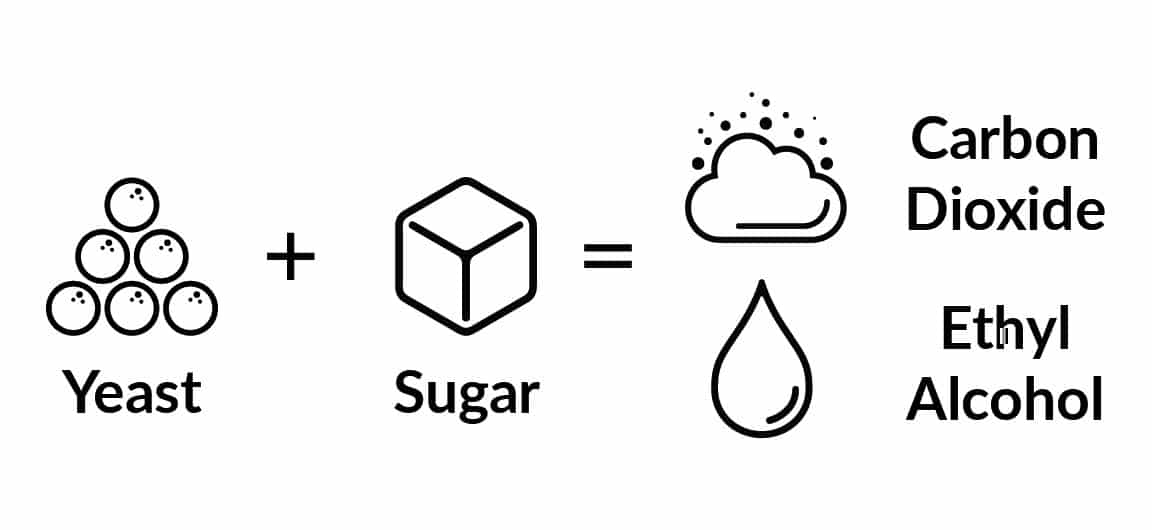
In the ideal temperature range and in the presence of sugars, yeast breaks down the glucose (C6H12O6) into ethyl alcohol or ethanol (CH3CH2OH) and carbon dioxide (CO2). There are many factors involved in the fermentation process that have an overall effect on the appearance, aroma, and flavor of the finished brew:
- Yeast strain
- Sugar type (from the wort)
- Sugar amount
- Fermentation length
- Fermentation temperature
What happens when yeast ferments at incorrect temperatures?
The fermentation process naturally generates its own heat. When yeast gets too hot while fermenting it can produce a higher level of fruity esters and heavier fusel alcohols. This can adversely affect the finished flavor and alcohol levels of your brew.
Yeast Laboratories
There are many yeast laboratories that cultivate, store, and supply dry and liquid yeast strains to craft and home brewers all over the world. Some of the top labs include:
- White Labs
- Wyeast
- Fermentum Mobile
- The Yeast Bay
Running this application in your facility?
We've built custom cooling solutions for this exact use case. Let us design one tailored to your setup.
- Saccharolicious
- RBY Laboratories
- Imperial Organic Yeast
- Jasper Yeast
- East Coast Yeast
- Bootleg Biology
- RVA Yeast Labs
- Giga Yeast
- Omega Yeast
- Fermentis
- Mangrove Jack’s
Most yeast strains can be used in multiple brews, so be sure to carefully research the lab and the temperature requirements of each yeast strain you order to make sure your set-up is prepared.
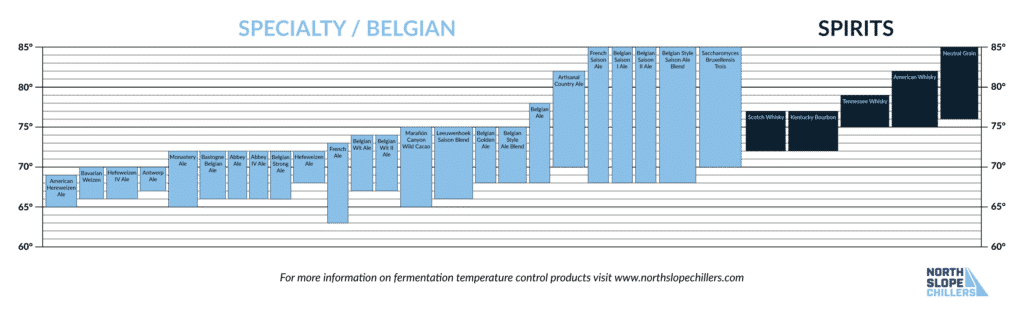
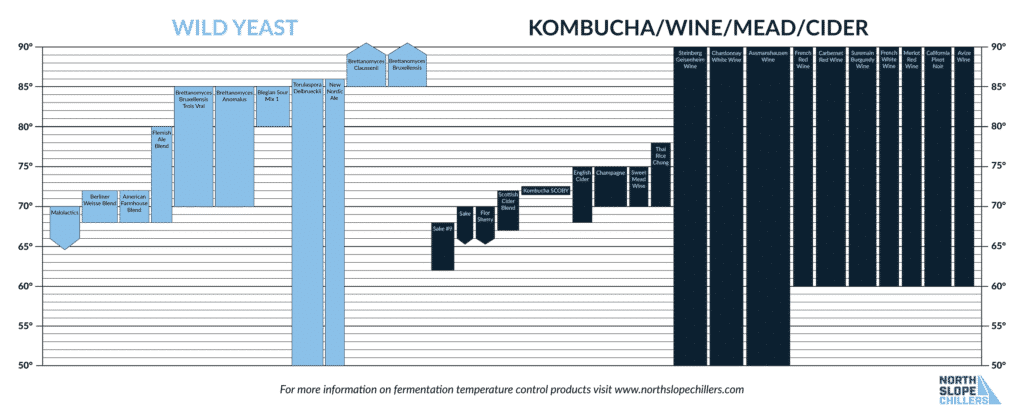
Fermentation Temperature Charts
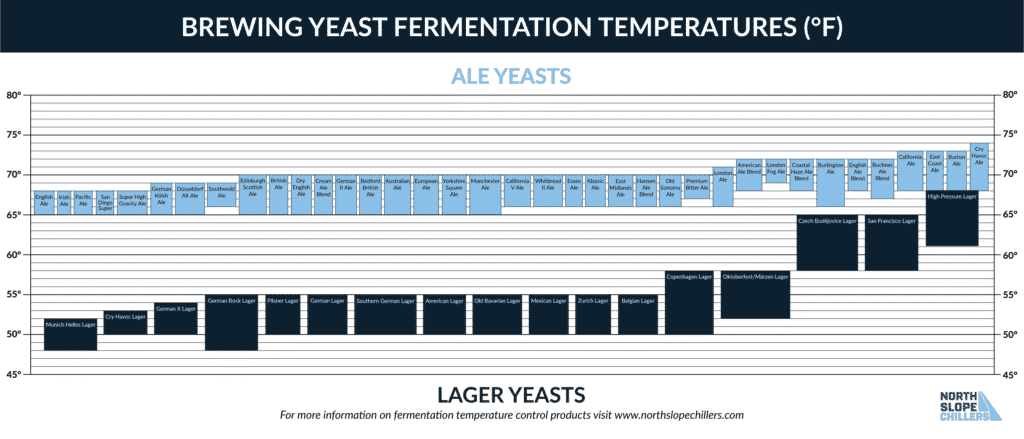
Fermentation temperatures for different yeast strains can vary by dozens of degrees, so it is crucial to plan your cooling needs ahead of time. The charts below illustrate the wide array of temperature needs for White Labs yeast strains.


Keeping it Cool
Craft and home brewers have used many temperature control methods like water baths, evaporative process cooling, and fermenting in cooler basements. However, all methods have vulnerabilities, requiring constant attention and maintenance. Using a fermentation chiller is the most efficient way to keep yeast strains at their optimal temperatures.
North Slope Chillers portable chillers keep your brew at exact temperatures with very little effort.
Chat with a chilling expert to find the best chiller or chilling accessory for your needs at (866) 826-2993 or by email at sales@northslopechillers.com.
Frequently Asked Questions
What happens if fermentation temperature is too high?+
Excessively high fermentation temperatures cause yeast to produce fusel alcohols and harsh off-flavors. In extreme cases, high heat can stress or kill the yeast entirely, resulting in a stuck fermentation with residual sugar and incomplete conversion.
What happens if fermentation temperature is too low?+
If fermentation temperature drops too low, yeast activity slows dramatically or stops completely. This results in a sluggish or stuck fermentation. Some yeast strains become dormant below 50°F and require gradual rewarming to restart.
How do commercial breweries control fermentation temperature?+
Commercial breweries use glycol-jacketed fermentation tanks connected to a central glycol chiller. Each tank has an independent temperature controller and solenoid valve that opens and closes to maintain the target setpoint throughout the fermentation cycle.
Ready to solve your cooling challenge?
Our team has helped thousands of businesses find the right chiller solution. Let us help you next.
Keep exploring: Applications
This article is part of our Applications resource collection. Browse all the guides in this topic.