
Need help choosing the right system?
Welding is a common procedure used to join two or more pieces of metal for use in a wide range of applications. The process can be done at outdoor locations (e.g. farms, highways, construction sites) or in an indoor setting, typically shops and factories.
[read: An Introduction to Welding]
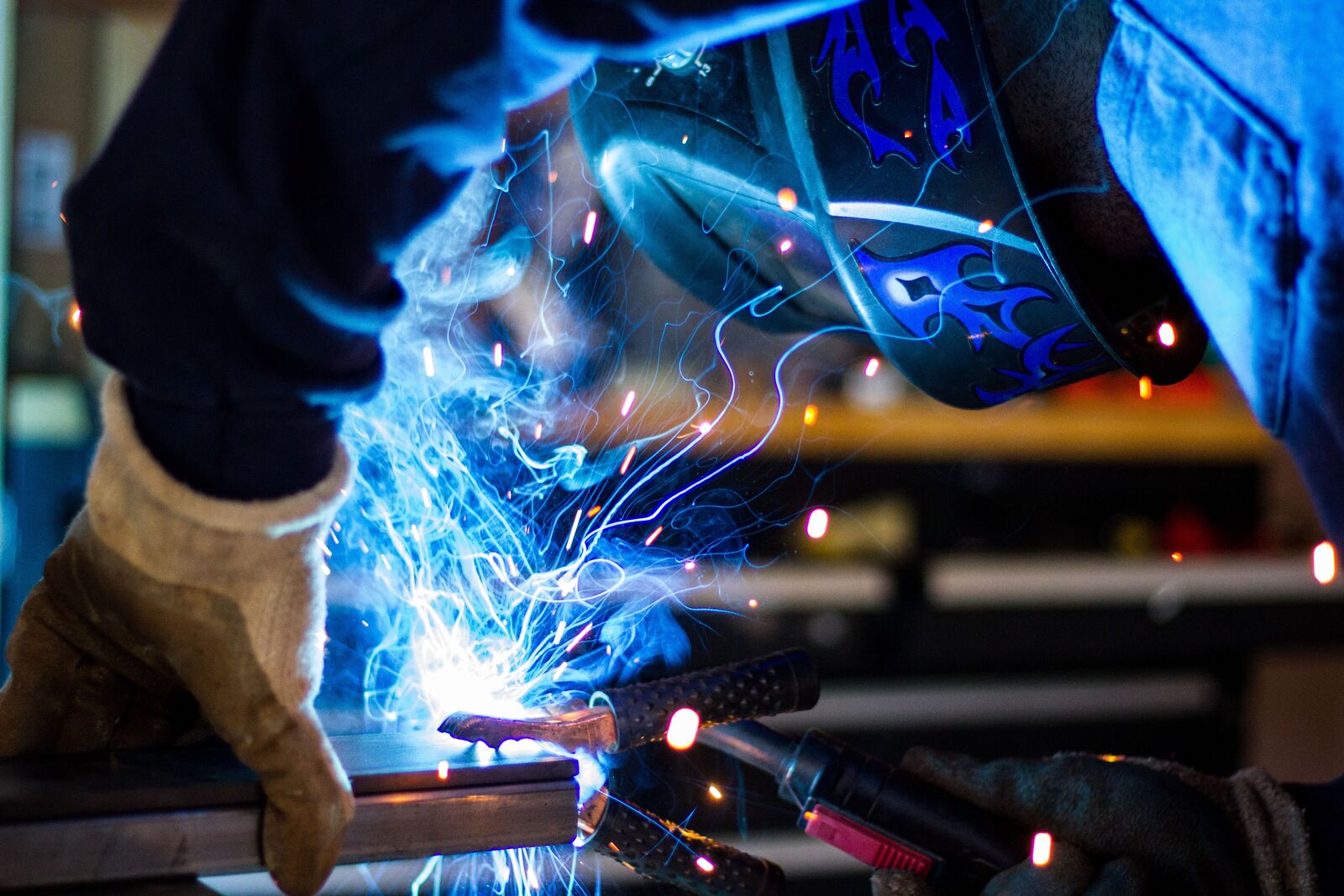
Welding requires the following components: metals to be joined, a heat source, and a filler metal. The most common types of welding found in industrial environments are: Gas Tungsten Arc Welding (GTAW), Stick Welding, Gas Metal Arc Welding (GMAW), and Flux Core Arc Welding.
[read: 4 Popular Types of Welding Procedures]
It may go without saying, but high-quality welding requires careful heating/temperature management. Temperature management before, during and after welding defines the preciseness and quality of the weld.
Here are a few reasons why we’re careful about temperature control when it comes to welding:
It can prevent some costly and time-consuming reworks
When working on common materials like cast irons, copper (and its alloys) aluminum, and steels, proper heat dispersion and management prevents stress and weakened metals. Quick changes in temperature can mean extra work if not wasted materials. Take it from us: any time saved by cutting corners on heat control will only come back to haunt you. It’s better to take your time with temperature to maintain the integrity of your materials and product.
Running this application in your facility?
We've built custom cooling solutions for this exact use case. Let us design one tailored to your setup.
It reduces the risk of Hydrogen Induced Cracking (HIC)
Hydrogen Induced cracking, is “caused by the blistering of a metal due to a high concentration of hydrogen.” Carefully approaching the heating and cooling of welded materials allows hydrogen to be properly drawn out. This effectively reduces or eliminates the risk of HIC and, consequently, expensive and time-consuming reworks (see above).
It relieves residual stress
(The Silver Bridge in Ohio, 1967, believed to have collapsed due to residual stress from uneven cooling)
In welding, the quick thermal expansion and reduction created along a very limited spot could become a major source of residual stress. This is stress that remains within an object/material after the external source of stress has been removed. While residual stress may be desirable in some engineering applications, uncontrolled residual stress should be avoided at all costs. This uncontrolled, undesirable stress leads to weak welds and premature structural failure.
Residual stress frequently occurs when a welded metal’s temperatures are raised and quickly lowered with little or no control or when cooling occurs unevenly. Slowly and carefully removing heat from welded materials prevents the welded spot from becoming too fragile and ductile.
At North Slope Chillers, we’re all about taking the stress out of welding temperature control (pun intended). Our products provide controlled, even, process cooling that will help maintain the strength and integrity of your welded products. Additionally, we offer custom solutions– whatever your cooling needs are, we can help!
Give us a call at (866) 826-2993 if you’re interested in incorporating a chiller into your welding process.
Frequently Asked Questions
Why does welding equipment need active cooling?+
Welding torches and power supplies generate extreme heat that must be removed to prevent equipment damage, maintain weld quality, and allow continuous operation. Without cooling, welding torches overheat within minutes, duty cycles drop, and consumable life decreases significantly.
What temperature should welding coolant be?+
Welding coolant is typically maintained between 60°F and 75°F. Colder coolant improves heat removal but may cause condensation on the torch body in humid environments. A chiller setpoint of 68°F–72°F balances effective cooling with condensation prevention in most shop environments.
Can I use a standard chiller for my welding torch?+
Yes, a portable 1/3-ton to 1-ton chiller is ideal for single or dual-torch welding setups. The chiller replaces the factory welding cooler, providing more consistent temperature control and allowing higher duty cycles. Ensure the chiller's flow rate matches the torch manufacturer's specification.
Ready to solve your cooling challenge?
Our team has helped thousands of businesses find the right chiller solution. Let us help you next.
Keep exploring: Applications
This article is part of our Applications resource collection. Browse all the guides in this topic.