
Need help choosing the right system?
Hydroponic water chillers are used to carefully control the temperature of hydroponic water. Controlling the water temperature keeps the root zone healthy and increases nutrient absorption. While water chillers can be relatively expensive, they provide the efficiency and ease of use that other cooling solutions simply cannot.
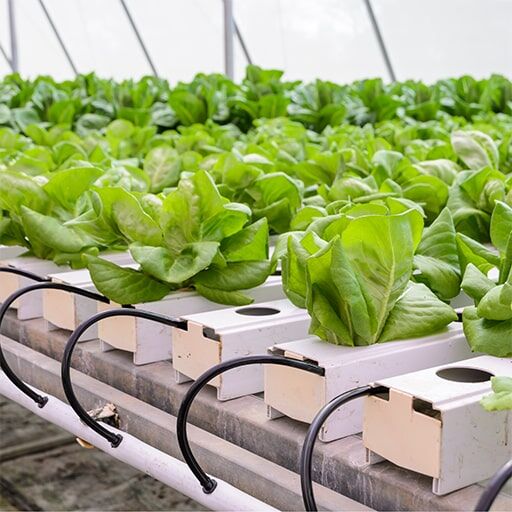
When it comes to any type of gardening, the root zone is where the magic happens. The root is the start of a plant’s vascular system– where nutrients are absorbed. For healthy plants, it’s crucial that this area be well-cared for.
One especially amazing aspect of hydroponics is the opportunity for careful control and care of the root zone. More specifically, growers have the opportunity to precisely control the temperature of the roots.
Why Roots Need to Stay Cool
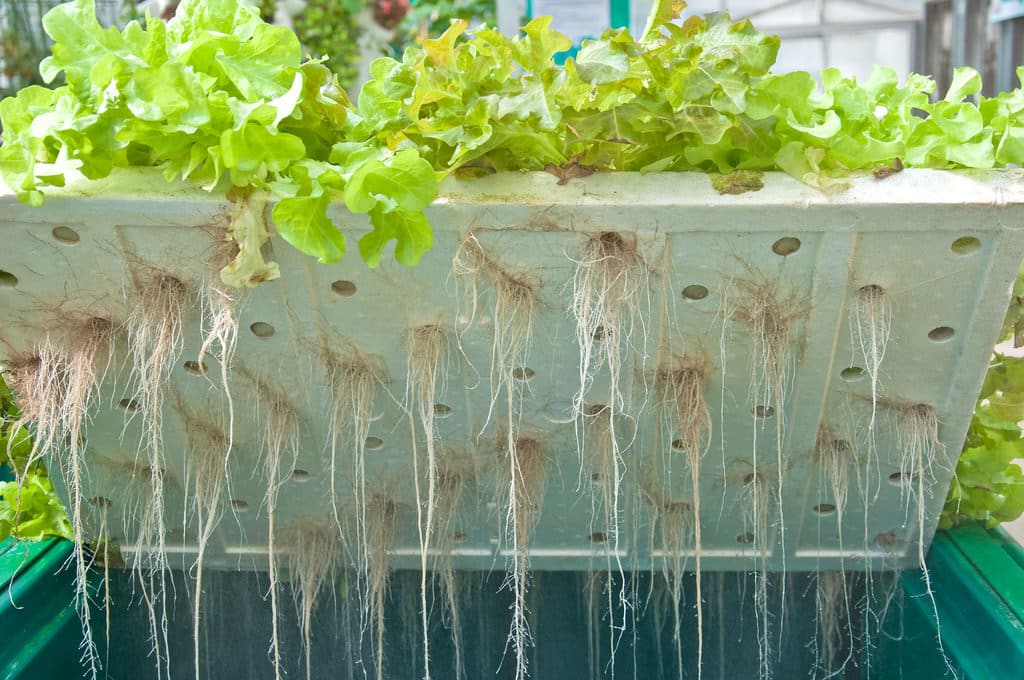
When hydroponic water and, consequently, the root zone, get too warm, the plants can wilt, growth can be stunted, and dangerous pathogens can breed. This is predominantly caused by low oxygen. The warmer a solution gets, the less oxygen it’s able to support and transport to the root zone. What’s more, as temperatures rise, root zones actually need more oxygen! High hydroponic water temperatures put plants in a tough situation: roots need more oxygen but nutrient solutions are actually carrying less oxygen than usual.
Enter: Water Chillers
While there are plenty of other options for keeping hydroponic water cool, water chillers are by for the most effective solution. While chillers have a higher price tag that other cooling methods, serious hydroponic growers often find they pay for themselves in time and physical labor saved.
Running this application in your facility?
We've built custom cooling solutions for this exact use case. Let us design one tailored to your setup.
Pros and Cons of Using a Water Chiller in Your Hydroponic Garden
If you’re not sure whether you’re ready to add a chiller to your setup, it can be helpful to look at the benefits and a few potential drawbacks.
Pros
- High oxygen levels- Water chillers provide the cool temperature necessary to hold increased quantities of dissolved oxygen.
- Higher root growth and increased nutrient absorption- this is a direct result of increased oxygen levels.
- Decreased risk of harmful pathogens- Highly oxygenated, cool environments prevent the growth of pathogens that could damage plants.
- Adaptable- no matter what your setup (ebb and flow, drip, nutrient film technique, etc), a chiller can easily be incorporated into your system
- More precise control- compared to other cooling methods, water chillers offer more precise control. They can often be set to specific temperatures.
- Require less time and work- once it’s set up, utilizing a water chiller is often as easy as flipping on a switch.
Cons
- Expense- While they’re becoming more affordable, water chillers are still a fairly significant expense. Some growers may have a hard time justifying the purchase.
- Noise- Most hydroponic equipment generates some type of noise and chillers are no exception.
How to Determine Hydroponic Water Chiller Size
If you’ve decided a chiller is for you, you’ll need to determine the cooling power your hydroponic setup requires. When chillers are too small, they won’t function properly. While oversized chillers won’t harm plants, there’s no need to spend more money than you need to.
To figure out what size chiller you’ll need, follow these steps:
- As accurately as you can, calculate the total gallons of water in your hydroponic system.
- Next, you’ll want to get your grow room to maximum temperature. At the hottest part of the day, turn on any equipment in your garden that produces heat.
- Bring your water down to your desired temp (typically 60-70F) using ice packs or frozen water bottles.
- Once you’ve reached your desired temperature, remove the ice packs and let the water circulate.
- After letting the water circulate for an hour, take the temperature again.
- Subtract your starting temp from your temperature after one hour – this is your temperature differential.
- Next, use the following formula to calculate the BTUs you need:
Gallons of Water X 8.34 lbs (weight of a gallon of water) X Temperature Differential
8. Finally, use this formula to calculate the total tons of cooling capacity required then oversize by 20%.
Tons = BTU/hr. ÷ 12,000
If you need any help determining which chiller size is best for your hydroponic setup or have any other questions concerning incorporating a chiller into your garden, please feel free to contact us at (866) 826-2993 or sales@northslopechillers.com. We’d love to help.
Frequently Asked Questions
What water temperature is best for hydroponic roots?+
The ideal water temperature for most hydroponic systems is 65°F–68°F. This range maximizes dissolved oxygen levels while keeping root-zone pathogens like Pythium suppressed.
Why do hydroponic roots turn brown in warm water?+
Warm water above 72°F holds less dissolved oxygen and creates conditions favorable for root rot pathogens like Pythium. The combination of low oxygen and pathogen growth causes roots to turn brown, slimy, and eventually die.
Can a hydroponic chiller reduce the need for hydrogen peroxide?+
Yes. Maintaining water temperature at 65°F–68°F with a chiller naturally suppresses the pathogens that hydrogen peroxide is used to control. Many growers eliminate or significantly reduce peroxide use after installing a water chiller.
Ready to solve your cooling challenge?
Our team has helped thousands of businesses find the right chiller solution. Let us help you next.
Keep exploring: Applications
This article is part of our Applications resource collection. Browse all the guides in this topic.