
Need help choosing the right system?
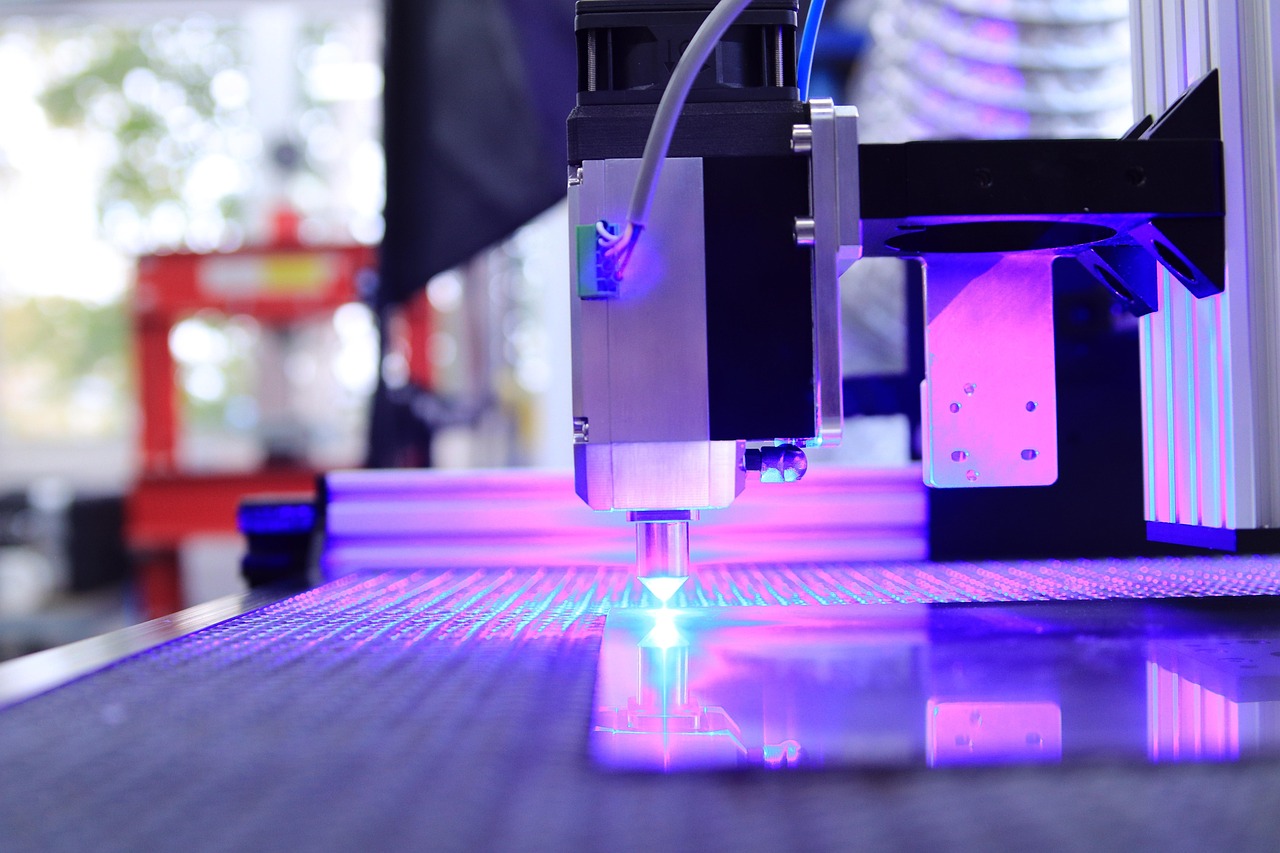
Lasers are an essential part of delivering high-speed, pinpoint accuracy in both general and specialized industrial applications. When it comes to these technologies, installing laser chillers for laser cooling provides incredible value to the operation.
There are many different types of chillers used in dozens of industries. Even though the applications may differ, the need for temperature control is consistent. Utilizing chillers keeps industrial lasers at constant temperatures; this allows the lasers to reach maximum performance. Lasers operate at extremely high temperatures. Temperature regulation removes heat from the system which prevents the overheating of critical components. Additionally, this temperature regulation drastically extends the lifespan of lasers.
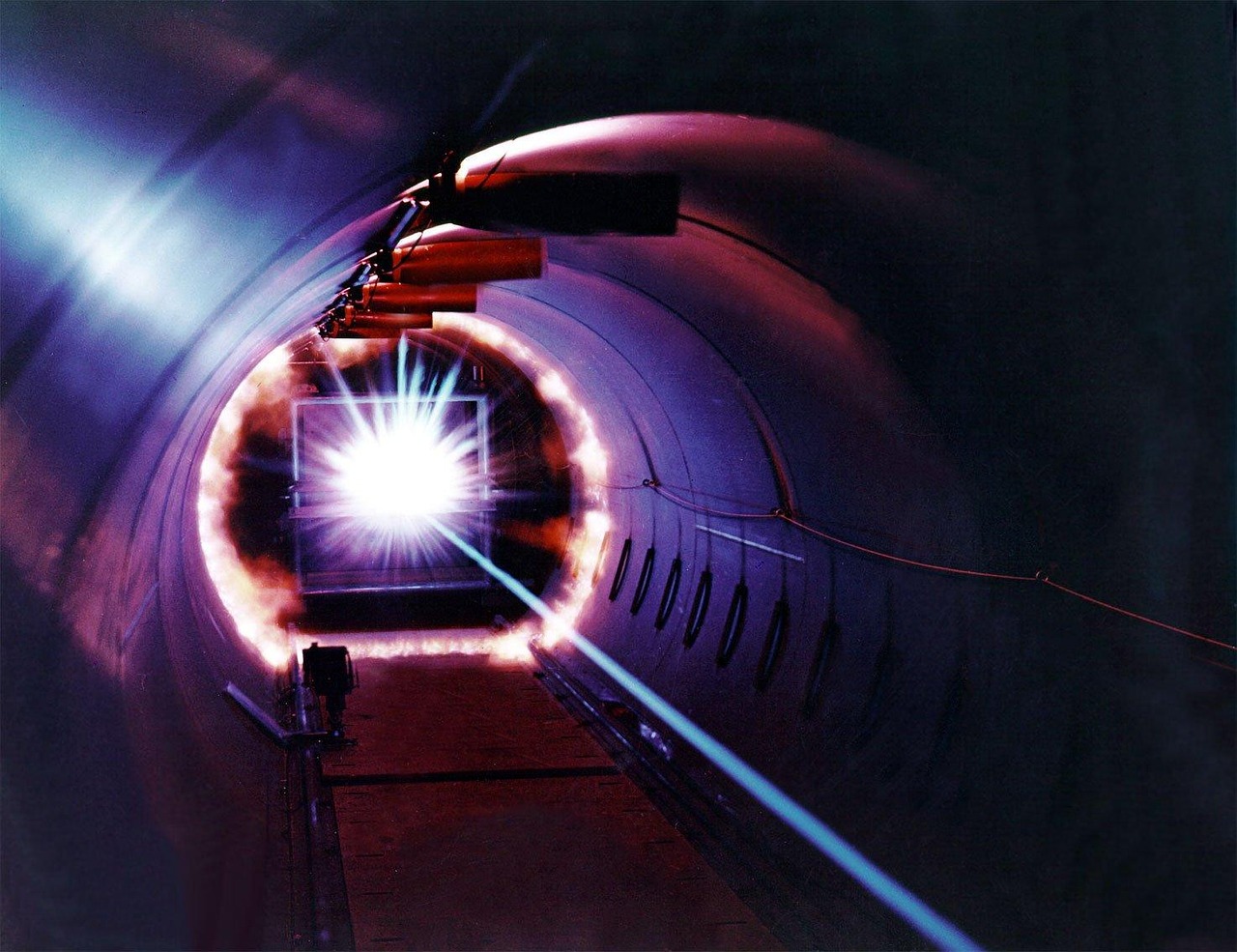
Laser chillers are regularly used in a variety of applications including metallurgy, welding, thermal spray, polishing, spindle, laser cutting, induction heating and ovens, deep draw presses, grinding, fiber optics, and PCB drilling. Specialized applications include cosmetic treatments, military grade lasers, and medical technology treatments.
Let’s take a quick look at the specific benefits of using chillers for lasers:
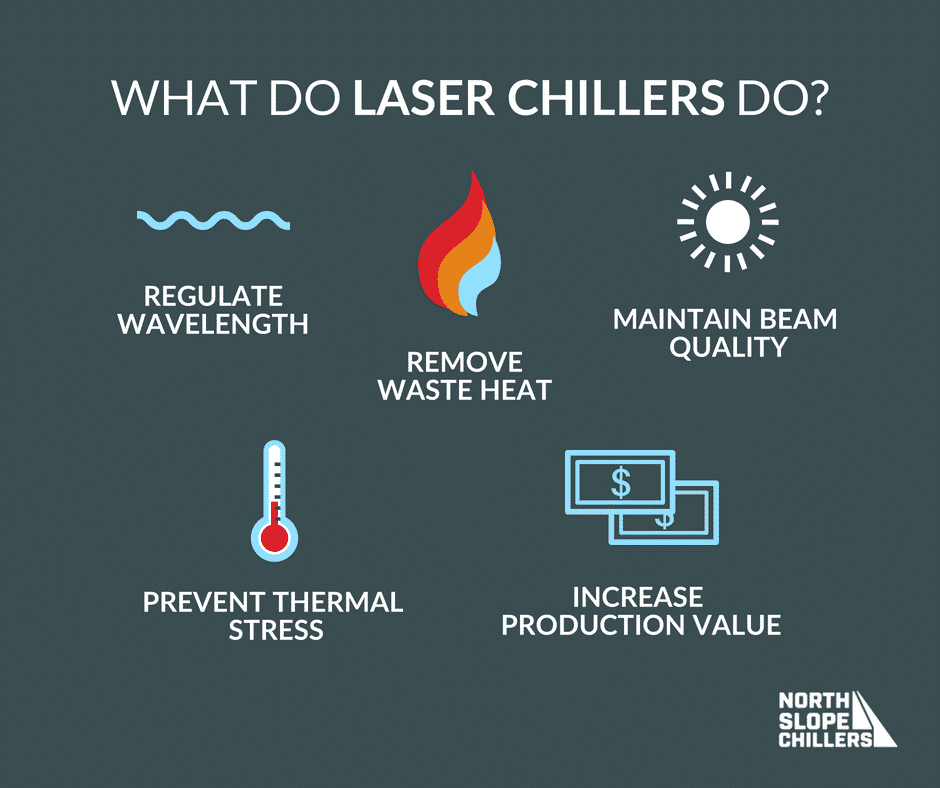
Sustain Constant Laser Wavelength and Power
Output wavelength and power are quite temperature sensitive. Using chillers for lasers will keep these elements consistent. This will ensure reliable laser performance. Moreover, keeping wavelength and power well-regulated will increase the life of lasers.
Remove Waste Heat
As mentioned above, lasers generate significant heat output. Chillers sufficiently cool lasers to eliminate unnecessary waste heat. This ensures steady temperature, flow rate, and quality with laser equipment.
Running this application in your facility?
We've built custom cooling solutions for this exact use case. Let us design one tailored to your setup.
Achieve Desired Beam Quality and Prevent Vibrations in the Laser Head
In some laser applications like welding, uncontrolled heat rates commonly result in lowered beam quality and vibrations in the laser head. Proper temperature control maintains the shape and beam of the laser. This, in turn, reduces scrap rates.
Lessen Thermal Stress on the Laser System
Drastic changes in temperatures put a great deal of stress on operating systems. Using chillers to cool laser systems reduces this stress. That means significantly less defective productions and system breakdowns.
Achieve Higher Production Value
Laser systems are sensitive; the exceptional heat that lasers generate will most definitely lead to unexpected downtime, faulty parts, and lost profit if the proper temperature control steps aren’t taken.
If you’re in the market for a laser chiller, check out what we have to offer! North Slope Chillers are easy to install and remove and can easily be customized to fit your process cooling needs.
Frequently Asked Questions
Why do lasers need dedicated cooling systems?+
Lasers convert electrical energy to light at 20–50% efficiency — the remaining energy becomes heat. Without dedicated cooling, the laser's gain medium, optics, and power supply overheat, causing wavelength drift, power instability, beam distortion, and premature component failure.
What coolant temperature stability do laser chillers require?+
Most laser manufacturers require coolant temperature stability within ±0.5°F to ±1°F. CO2 lasers, fiber lasers, and diode lasers each have specific temperature requirements, but all require tight stability to maintain consistent beam quality, power output, and cutting or engraving precision.
Can I use tap water to cool my laser cutter?+
Tap water is not recommended for laser cooling. Minerals cause scale buildup in cooling channels, restricting flow and reducing heat transfer. Tap water also promotes algae and bacterial growth. Use deionized water or a clean water-glycol mix circulated by a dedicated laser chiller.
Ready to solve your cooling challenge?
Our team has helped thousands of businesses find the right chiller solution. Let us help you next.
Keep exploring: Applications
This article is part of our Applications resource collection. Browse all the guides in this topic.