
Need help choosing the right system?
Temperature control is a vital part of nearly every step in the beer-making process. From boiling to fermentation, all brewers have to stay in charge of heat.
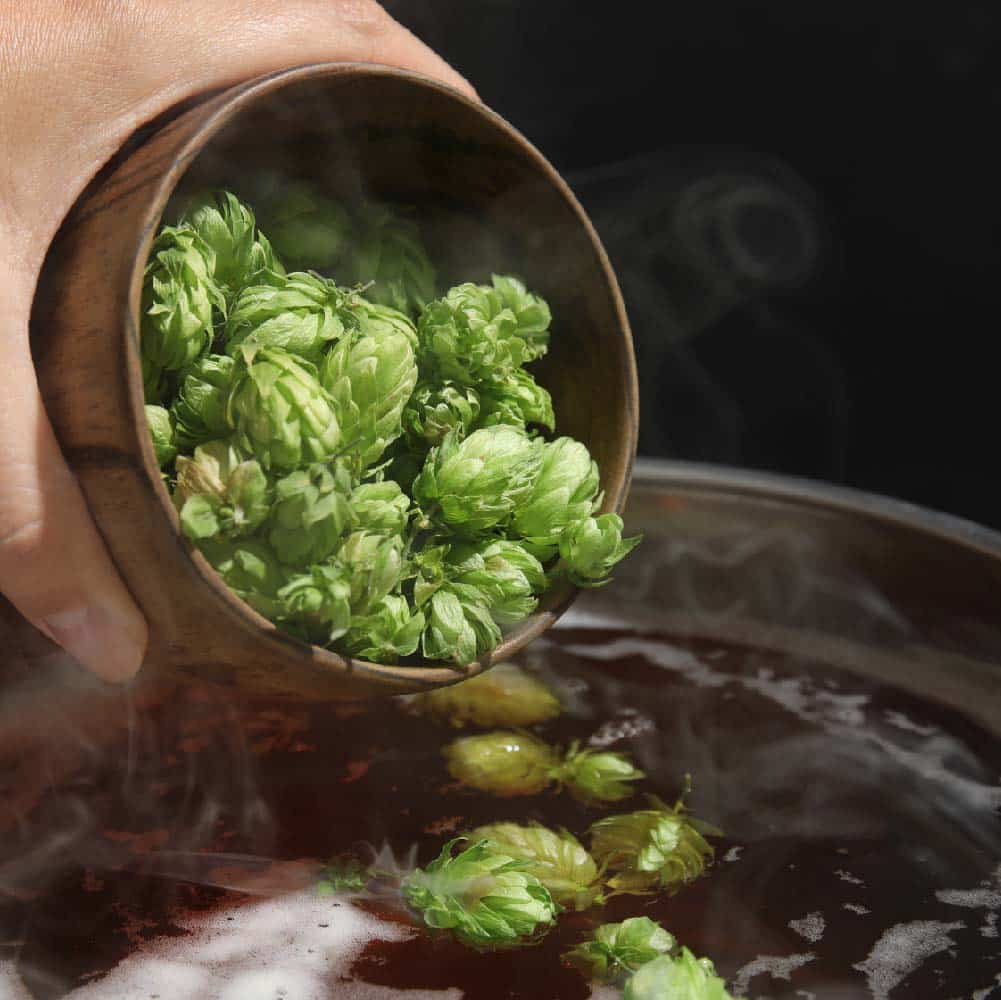
During the lautering phase of brewing, temperature control plays a critical role in ensuring flavors are developed correctly. Without control, beer flavors can vary and develop unwanted tastes and textures.
Lautering is broken up into three steps:
Mashout
Mashout is the term used to describe the heating of mash. Doing so helps liquify the mash and stop the fermentation of starches within the mash. This is where temperatures get precise. Optimum temperature of mashout is 170° F, which kills off bacteria that was formerly assisting the fermentation process.
Recirculation
Once wort liquifies, it’s best to recirculate it through the mash repeatedly. The mash acts as a filter, catching small pieces of grain and other debris leftover from earlier phases of the brewing process. Recirculation is best performed by draining wort water out from the bottom of the mash and spraying it back over the top.
Sparging
Sparging is the most delicate part of lautering because any errors will significantly impact the flavors of the brew, especially the bitterness levels. Water is sprinkled on top of the grain to extract sugars that will be vital to beer taste.
There are two methods of sparging, English and German. In English sparging, the wort is completely drained from the mash. Once the wort is removed, water is added to the mash. This time, the water is held at exactly 169° F. Eventually, the water can be drained and either be added to the wort or be used as its own light brew.
In German sparging, water is added at the same rate as the wort is being drained from the mash. The main difference between English and German sparging is that German sparging generally results in a larger quantity of beer.
Running this application in your facility?
We've built custom cooling solutions for this exact use case. Let us design one tailored to your setup.
Cold Control
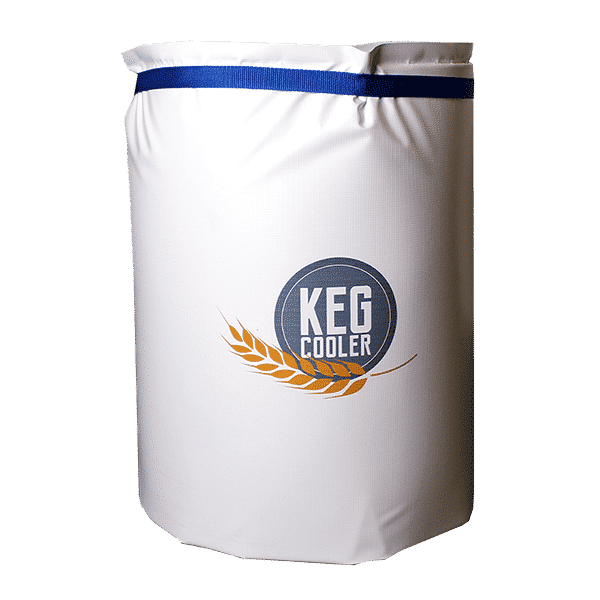
Using temperature control equipment during lautering is important to protect these sensitive chemical changes. North Slope Chillers specializes in equipment brewers need to stay in command of their brew. Using Keg Coolers and Beacon Control technology takes the pressure off brewers as they move forward into the next part of beer-making, leading to a brew that drinkers can’t help but drain to the last drop.
Contact North Slope Chillers to find the right temperature control equipment for your brewing needs at (866) 826-2993 or sales@northslopechillers.com.
Frequently Asked Questions
What is lautering in the brewing process?+
Lautering is the process of separating the sweet liquid wort from the grain bed after mashing. The mash is transferred to a lauter tun where the grain bed acts as a natural filter. Sparging (rinsing the grain with hot water) extracts remaining sugars. Lautering efficiency directly affects brewhouse yield.
Does lautering require temperature control?+
Yes, sparge water temperature is critical — typically 168°F–170°F. Water above 170°F extracts harsh tannins from the grain husks, producing astringent off-flavors. Water below 165°F leaves sugars behind, reducing yield. Precise water temperature control during lautering impacts both flavor and efficiency.
How does the brewery chiller support the lautering process?+
While lautering itself uses hot water, the wort produced must be rapidly cooled immediately afterward. The glycol chiller pre-cools the heat exchanger or counterflow chiller that brings the hot wort from 200°F+ down to yeast pitching temperature. A larger chiller enables faster wort cooling and shorter brew days.
Ready to solve your cooling challenge?
Our team has helped thousands of businesses find the right chiller solution. Let us help you next.
Keep exploring: Applications
This article is part of our Applications resource collection. Browse all the guides in this topic.