
Need help choosing the right system?
Chemically Critical
Glycol is a chemical commonly used in process cooling to reduce the temperature of materials for manufacturing. It’s used everywhere from lasers to dairy, and is often paired with water to hit freezing points well below zero. But don’t drink it!
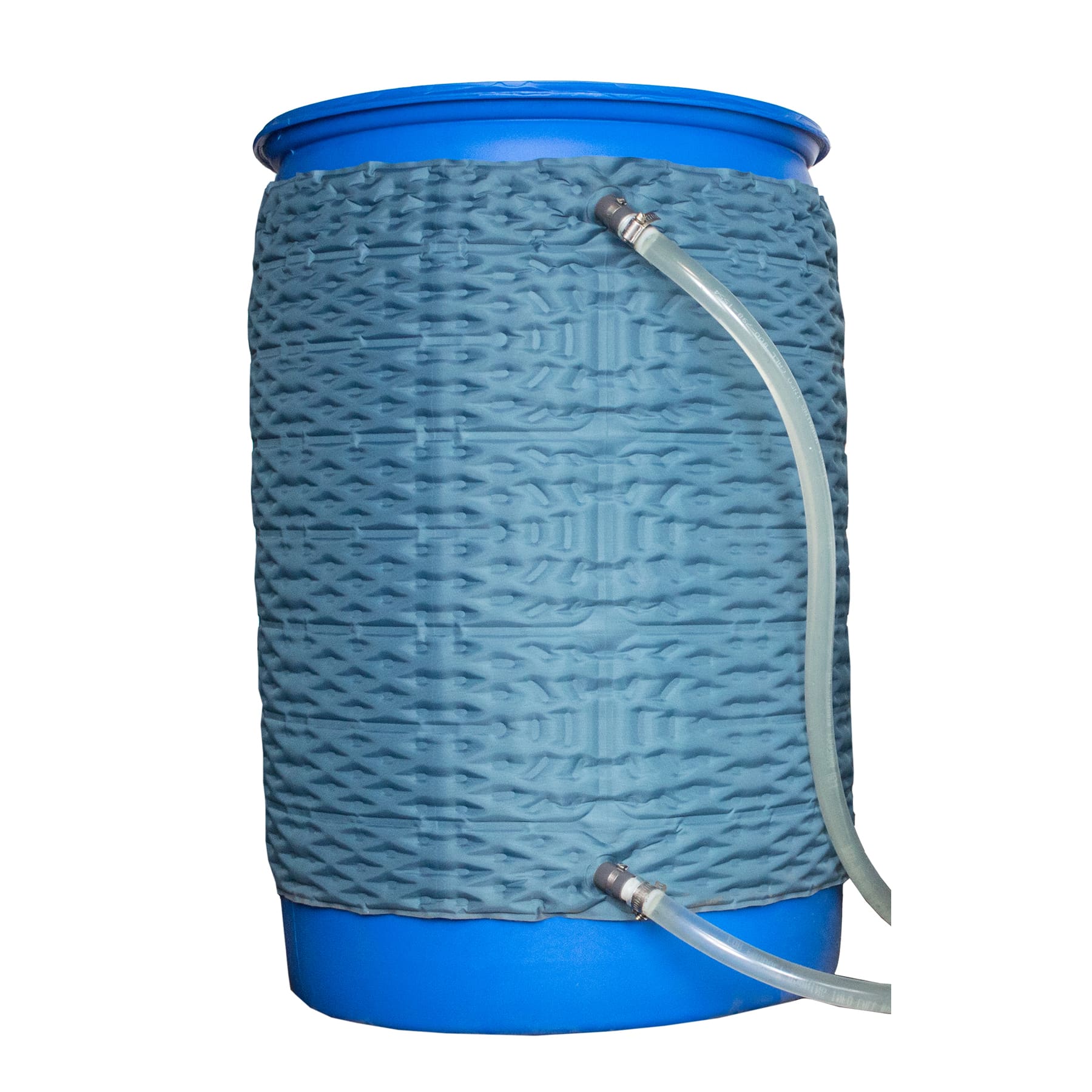 Glycol can be used in cooling wraps to help bring down temperatures to desired levels.
Questions about your coolant or system design?
Get expert guidance on glycol concentrations, fluid compatibility, and cooling circuit design from our engineering team.
Glycol: Keeping Things Cool
If you work with chillers in your industry, you likely have used glycol before. But what is it?
Chemical Uses
Glycol (HOCH2CH2OH) is a mildly toxic chemical that alters the freezing temperature of water. According to the American Chemistry Council, ethylene glycol (commonly referred to as glycol) is used for process cooling in many industries:
Ethylene glycol, a derivative of ethylene oxide, is used for the manufacture of polyester fiber for clothes, upholstery, carpet, and pillows and the blending of automotive engine antifreeze and coolant. Ethylene glycol is also used to manufacture fiberglass for products such as jet skis, bathtubs, and bowling balls. A major use is in the production of polyethylene terephthalate (PET) resin, a recyclable plastic, such as soda and water bottles.
Ethylene glycol is toxic, but handled properly, it is a great asset in the manufacturing industry.
Glycol and Water
When it comes to using glycol heaters or chillers, propylene glycol is the most important chemical when you have to balance cooling a product and preventing water from freezing. When mixed with glycol, water freezes at lower temperatures, allowing for cooler liquids to flow through a chiller system without the danger of the system freezing up.
The freezing levels of glycol by itself is 9°F. Mixing glycol with water lowers the new mixture’s freezing point, but that freezing point depends on the ratio of glycol to water. For example, an ambient temperature of -50°F can be reached with a 55% glycol, 45% water ratio.
Glycol in Chillers
Chillers use glycol-water mixtures to provide cooling to products and materials that need to be kept at a low, stable temperature. Glycol manufacturers such as Du Pont are required by law to provide a glycol level recommendation chart to consumers.
Learn More
Though not a glycol manufacturer, North Slope Chillers is an expert in the use of propylene glycol in chiller systems. For more information about glycol concentrations, click here.
Frequently Asked Questions
Is glycol toxic?+
Propylene glycol is non-toxic and GRAS (Generally Recognized As Safe) by the FDA — it is used in food, cosmetics, and pharmaceuticals. Ethylene glycol is toxic to humans and animals and should only be used in closed industrial systems where there is no risk of ingestion or environmental release.
What does glycol do in a chiller system?+
Glycol lowers the freezing point of the circulating fluid, allowing the chiller system to operate at temperatures below 32°F without the fluid freezing. It also provides some corrosion protection when formulated with proper inhibitors. The trade-off is reduced heat transfer efficiency compared to pure water.
How do I dispose of used glycol?+
Used glycol should be collected and disposed of through a licensed waste hauler or recycling facility. Propylene glycol can often be recycled or treated at a wastewater facility. Ethylene glycol is classified as hazardous waste in many jurisdictions and must be disposed of accordingly. Never pour glycol down drains or into the environment.
Ready to solve your cooling challenge?
Our team has helped thousands of businesses find the right chiller solution. Let us help you next.
Keep exploring: Fluids & Cooling Methods
This article is part of our Fluids & Cooling Methods resource collection. Browse all the guides in this topic.