Seasonal Maintenance Tips
Keep your chiller running efficiently and lasting longer
Chiller Compressor
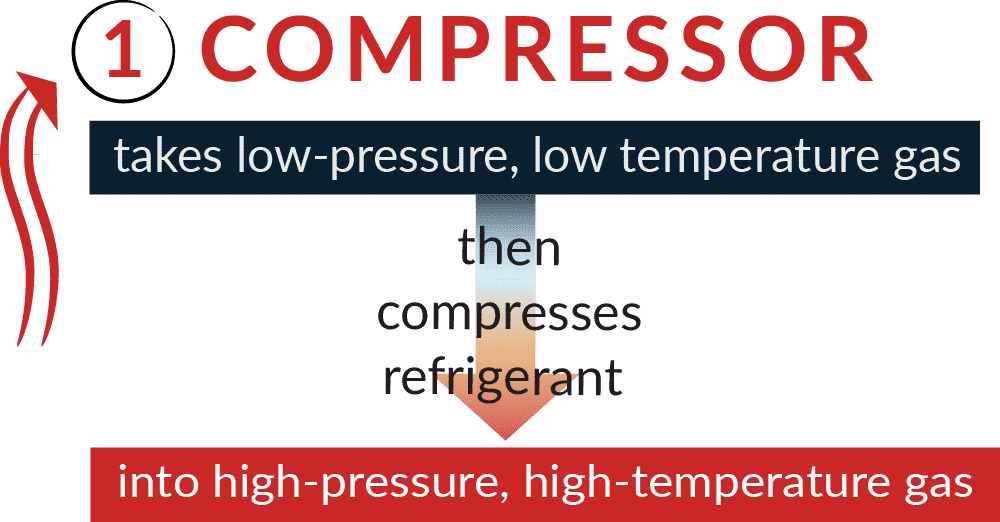
The compressor acts as the pump for the unit's refrigerant around the system by using differences in pressure to move the liquid through the system. The key things to discuss with your HVAC technician or check yourself are:
- The suction temperature and pressure
- The discharge temperature and pressure
- Oil level and pressure
- Current voltage and current levels — only if safe to do so
Chiller Condenser
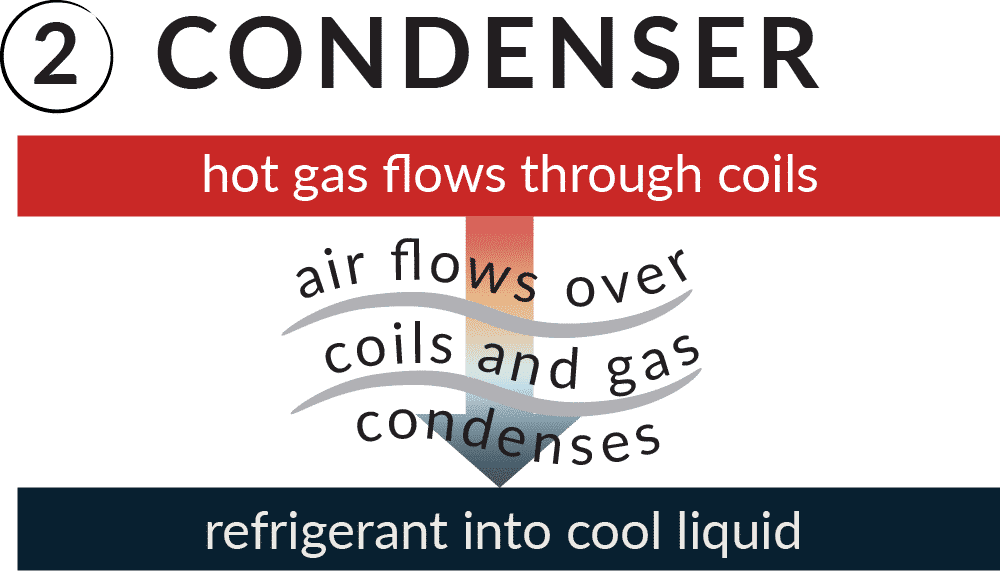
Inspect and clean the chiller condenser, which removes the heat transferred into the refrigerant by the compressor. Heat transfer can take its toll on chiller systems and is important to producing efficient chiller operation. Routine maintenance should inspect the following:
- Air intake and exhaust temperature
- Refrigeration inlet and outlet temperature
- Fan motor currents, noise and vibration
- Condenser coil condition
Chiller Evaporator
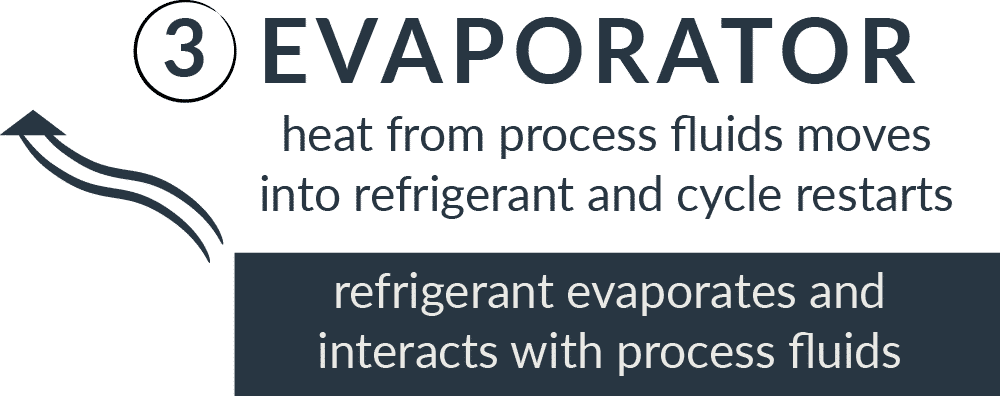
Check the evaporator, which absorbs the heat from your process. Check the following for efficiency:
- Fluid inlet temperature and pressure
- Fluid outlet temperature and pressure
- Refrigeration inlet and outlet temperature
- Insulation condition
Chiller Glycol Dosing
Look at your equipment's glycol dosage. Glycol, or anti-freeze, is important as it will prevent the fluid inside your system from freezing as it handles temperatures below zero. If poorly managed, the water in your system will freeze, causing damage to your pipework. Do not use generic glycol; the glycol in your system needs to be inhibited, which means that it is manufactured specifically to not corrode your pipework. All refrigerants have global warming potential. If there is any disparity between the refrigerant levels in the system and the levels expected, it is vital that the source of the disparity be verified and fixed before the refrigerant is recharged.
Chiller Water Quality
Do not neglect water quality when maintaining your chilled water system. Poor water quality corrodes pipes and inevitably leads to equipment failure. Condenser water loops used with cooling towers must maintain proper water flow as designed. Sand, erosive solids and contamination materials can affect the condenser water loop. Fouling or scaling can inhibit flow and adversely impact the chiller operating efficiency. Check your system regularly for these issues.
Leak Testing
A refrigerant leak test is the most important aspect of any refrigeration circuit check. A leak test ensures that your circuit is hermetically sealed.
Need Expert Advice?
Our engineering team solves every kind of temperature problem. Call (866) 826-2993 or get a custom quote.