
Die Casting Chillers
Die casting demands precise, consistent mold cooling. Proper temperature control reduces cycle times, minimizes porosity and shrinkage defects, and significantly extends the life of your tooling. North Slope Chillers builds industrial process chillers engineered for the extreme heat loads of die casting.
Why North Slope Chillers for Die Casting
Faster cycle times with consistent mold cooling
Reduced porosity and shrinkage defects
Extended die and tooling life
Handles extreme heat loads from molten metal
Precise temperature control across multiple die stations
PROCESS COOLING FOR DIE CASTING
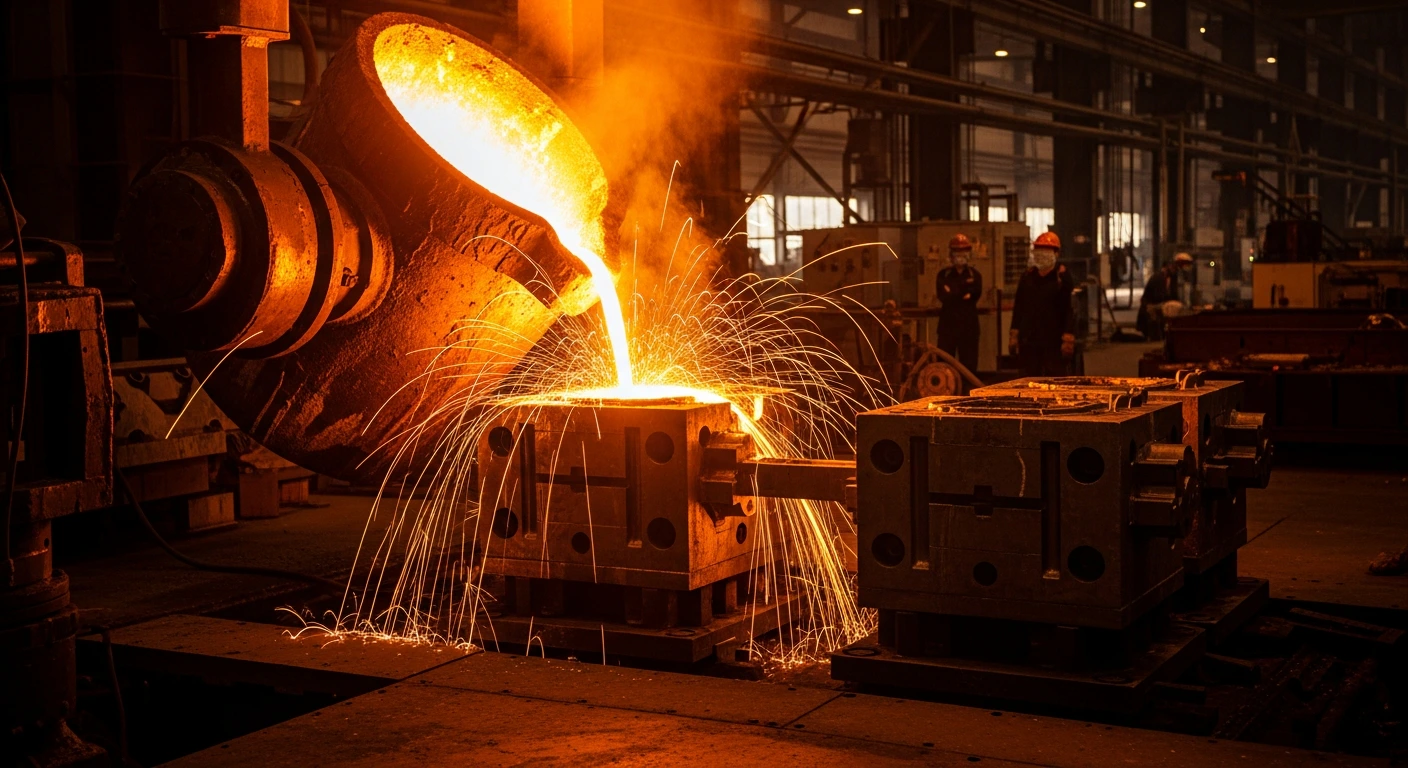
Die casting is one of the most thermally demanding manufacturing processes. Molten metal — typically aluminum, zinc, or magnesium — is injected into steel dies at temperatures ranging from 600°F to over 1,200°F. The die must be cooled quickly and uniformly to solidify the casting, release it from the mold, and begin the next cycle. Without proper cooling, you get longer cycle times, dimensional inaccuracy, surface defects, and premature die wear.
The cooling system is the heartbeat of a die casting operation. It directly determines cycle time, part quality, and die longevity. An undersized or inconsistent chiller leads to hot spots in the die, which cause porosity (trapped gas pockets), shrinkage cracks, and uneven surface finish. Over time, thermal cycling without proper cooling accelerates thermal fatigue in the die steel, shortening tooling life dramatically.
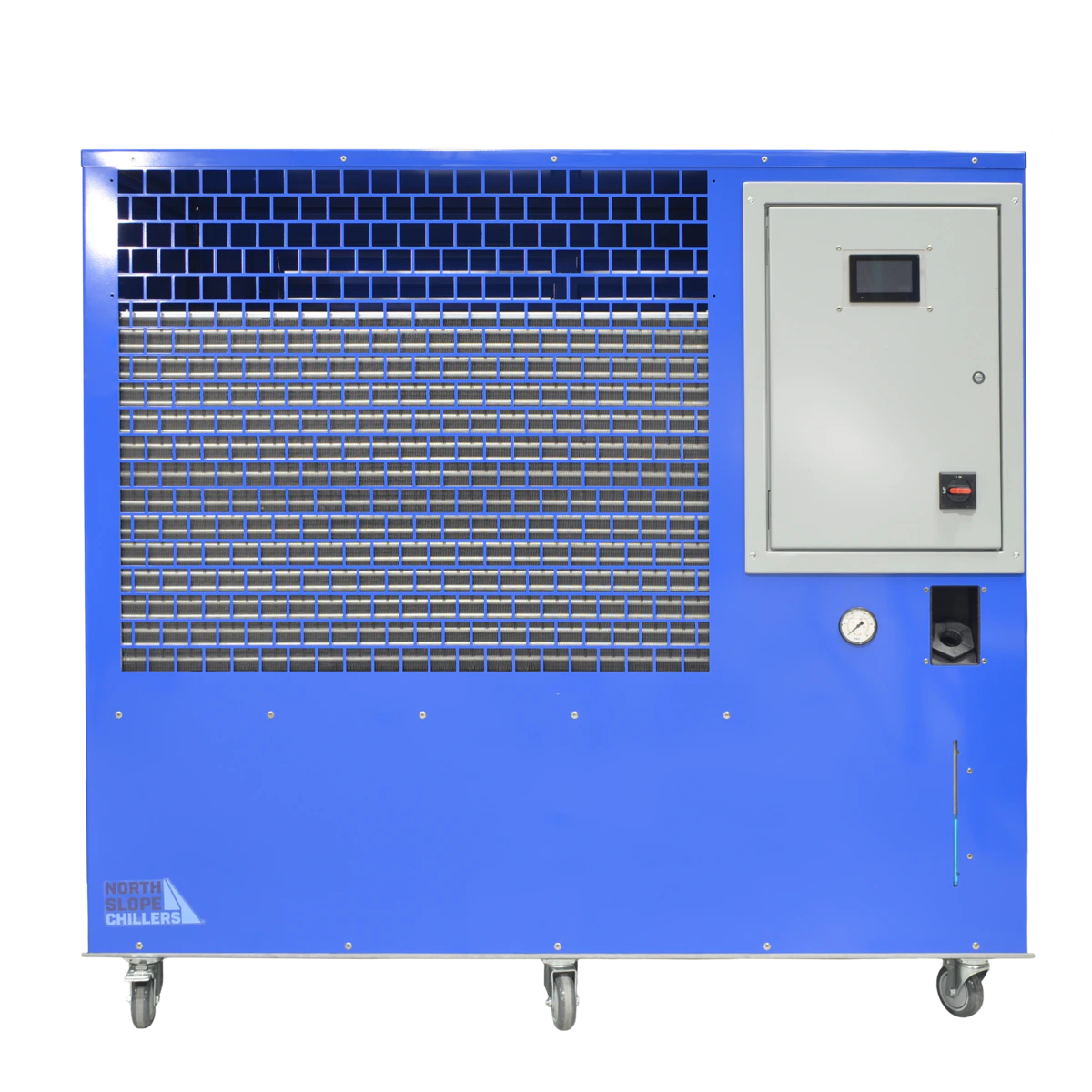
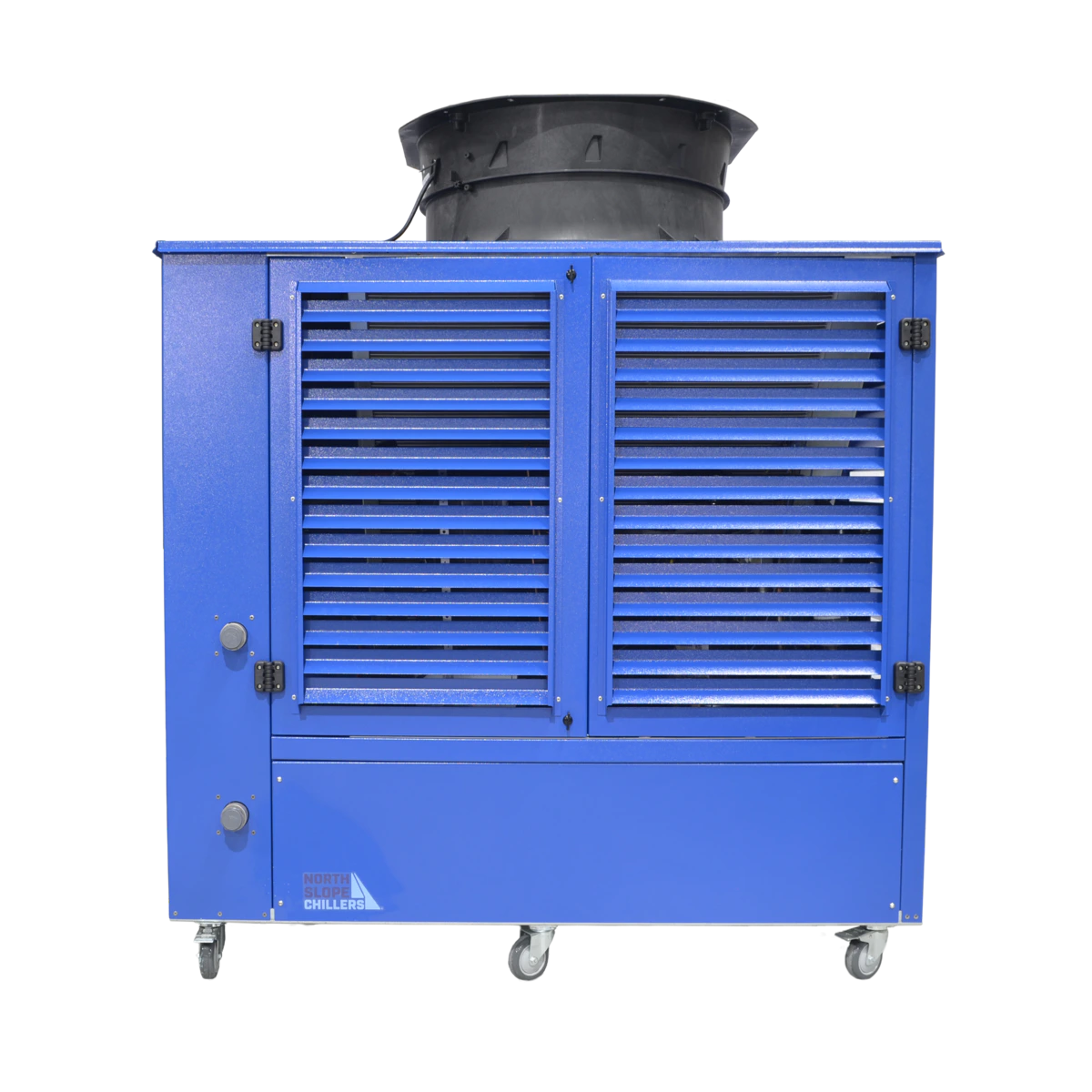
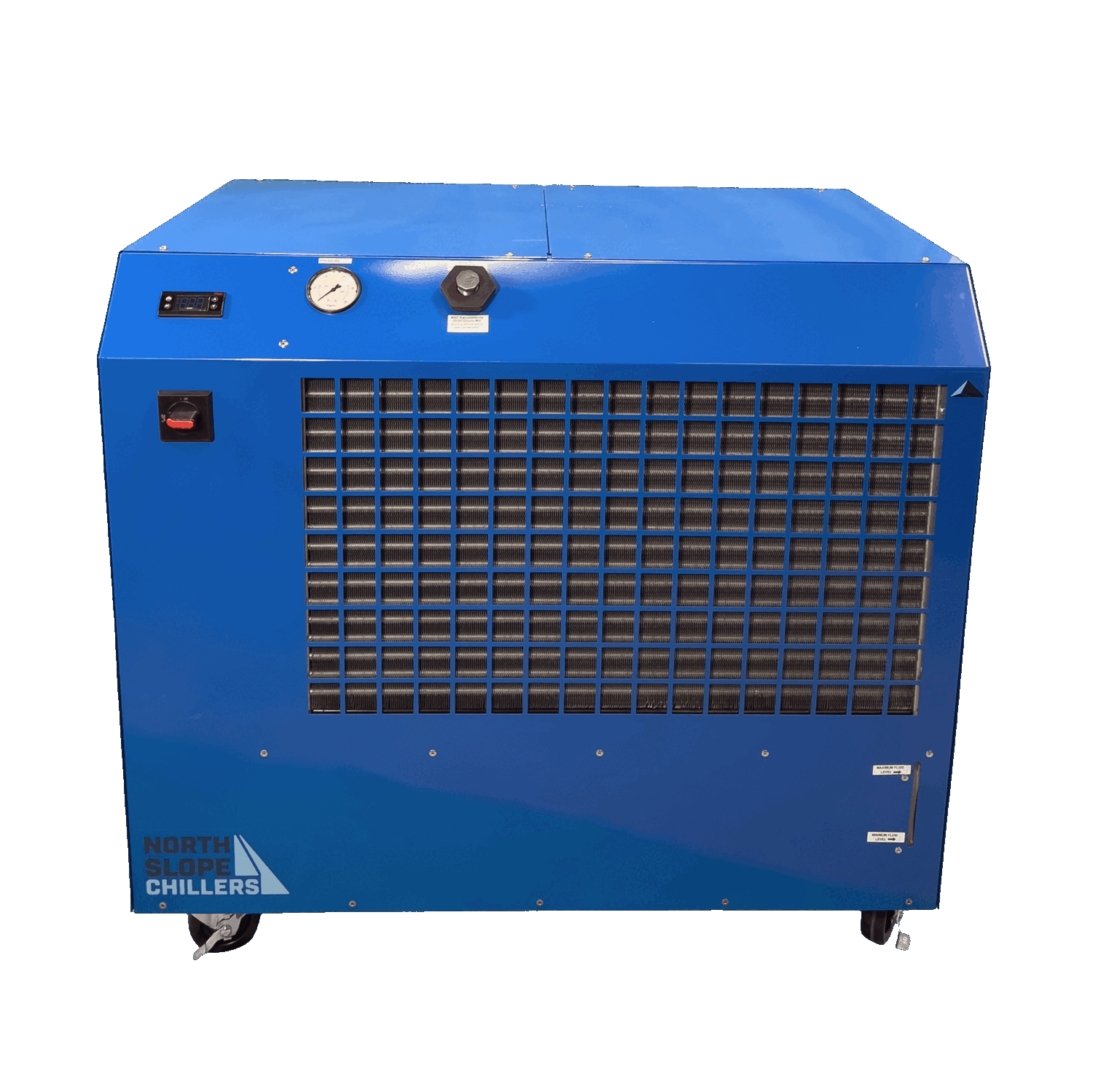
North Slope Chillers builds portable, self-contained process chillers specifically suited for die casting applications. Our Freeze and Deep Freeze systems deliver the high cooling capacity and precise temperature stability that die casting demands, in a compact, reliable package that's easy to install alongside your casting machines.
WHY DIE TEMPERATURE MATTERS
Die temperature directly affects every aspect of cast quality. Too hot, and the metal doesn't solidify properly — you get porosity, sink marks, and poor surface finish. Too cold, and the metal freezes before completely filling the cavity — you get short shots, cold shuts, and flow lines. The ideal die temperature varies by alloy and part geometry, but it must remain stable cycle after cycle.
A properly sized industrial chiller maintains your die within the optimal temperature window throughout the production run. Our systems use precise digital controllers to hold fluid temperature to within ±1°F, ensuring that every shot sees the same thermal conditions. This consistency translates directly to lower scrap rates, faster cycles, and parts that meet spec the first time.
CHILLER SIZING FOR DIE CASTING
Sizing a chiller for die casting depends on several factors: the alloy being cast (aluminum requires more cooling than zinc), the shot weight and cycle time, the number of cooling circuits in the die, and the ambient temperature in your facility. As a rule of thumb, aluminum die casting requires roughly 1 ton of cooling per 100 lbs/hr of throughput, though this varies with part geometry and die design.
For single-machine operations, our Freeze 2-Ton or 5-Ton chillers provide ample capacity with room for peak loads. For multi-machine cells or high-volume production, our 10-Ton systems or multiple networked chillers can handle the combined heat load. Our engineering team can perform a detailed heat load calculation for your specific operation — contact us for a free consultation.
Recommended Products for Die Casting
These products are commonly used in die casting applications.
Ready to Solve Your Cooling Challenge?
Our team can help you find the right chiller for your die casting application.
Explore Other Applications
Find cooling solutions for your specific industry