Need help choosing the right system?
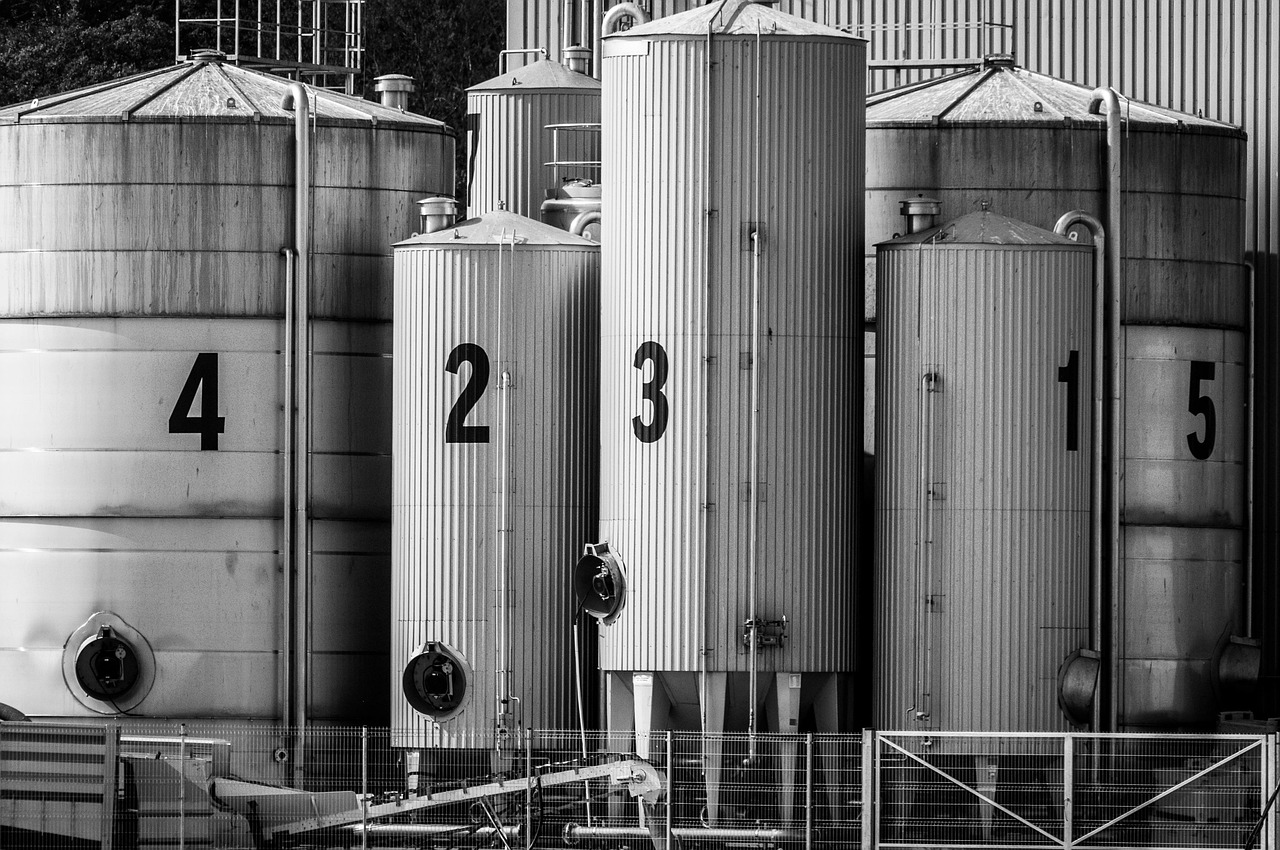
How to Cool a 500-Gallon Tank Efficiently
Cooling a 500-gallon tank requires the right balance of cooling capacity, fluid circulation, and heat transfer. Whether you're working with water, chemicals, or food products, maintaining stable temperature is critical for product quality and process efficiency.
A 500-gallon tank holds approximately 4,165 pounds of water. To cool that volume by even 10°F in one hour, you need to remove roughly 41,650 BTUs — and that's before accounting for ambient heat gain, pump heat, or exothermic process reactions. Getting the cooling right starts with understanding the key variables.
Key Factors in Tank Cooling
Before selecting a cooling system, you need to evaluate these critical variables:
Heat load — How much heat needs to be removed? This depends on your process: is the tank contents generating heat (exothermic reaction), absorbing heat from the environment, or simply needing to be maintained at a set point? Learn how to calculate BTUs for your specific application.
Desired temperature range — Are you cooling to 60°F, 40°F, or below freezing? The further below ambient temperature you need to go, the more cooling capacity you'll need. For sub-freezing applications, you'll also need a glycol-based coolant to prevent freeze-up in your lines.
Fluid type — Water, glycol, oil, and chemical solutions all have different thermal properties. Water has a specific heat of 1.0 BTU/lb·°F, but oils and glycol mixtures are lower, meaning they require different flow rates to achieve the same cooling effect.
Tank material and insulation — Stainless steel conducts heat readily, while polyethylene and fiberglass provide some natural insulation. An uninsulated metal tank in a 95°F warehouse will gain ambient heat much faster than an insulated one, increasing your cooling load significantly.
Common Cooling Methods
1. External Chiller with Heat Exchanger
This is the most popular and effective approach for 500-gallon tank cooling. An industrial chiller circulates cooled fluid (water or glycol) through a plate heat exchanger or shell-and-tube exchanger connected to the tank.
Advantages:
- Precise, consistent temperature control
- No contamination risk — coolant and process fluid stay separated
- Easy to maintain and service
- Scalable to larger volumes
Best for: Chemical processing, food and beverage production, pharmaceutical applications, and any process requiring tight temperature tolerances.
2. Jacketed Tank Systems
Many industrial tanks come with a built-in cooling jacket — a double wall that circulates chilled fluid around the outside of the tank. This requires a properly sized chiller connected to the jacket's inlet and outlet ports.
Advantages:
- Even cooling distribution across the tank surface
- No internal components to interfere with mixing or cleaning
- Well-suited for fermentation and food processing
Best for: Brewing, winemaking, dairy processing, and chemical reactors where internal access must remain clear.
3. Immersion Coils
A stainless steel or copper coil is placed directly inside the tank, with chilled fluid circulating through the coil. Heat transfers from the tank contents through the coil wall into the circulating coolant.
Advantages:
- Simple, low-cost installation
- Effective for open-top or non-jacketed tanks
- Good heat transfer due to direct contact
Considerations:
- The coil takes up space inside the tank
- Can interfere with mixing, agitation, or cleaning
- Risk of fouling depending on tank contents
Best for: Homebrew setups, small-batch chemical processes, and applications where tank modification isn't possible.
Designing a cooling system from scratch?
We specialize in engineered-to-order solutions. Talk to our team about your project requirements.
Sizing a Chiller for a 500-Gallon Tank
The fundamental sizing formula is:
BTU/hr = Volume (gal) × 8.33 (lb/gal) × ΔT (°F) ÷ Time (hr)
For example, cooling 500 gallons of water from 80°F down to 60°F in 1 hour:
500 × 8.33 × 20 ÷ 1 = 83,300 BTU/hr ≈ 7 tons
However, most applications don't need that aggressive of a pull-down. If you allow 2 hours, the requirement drops to about 3.5 tons. Once at temperature, maintaining it is even less demanding — typically a 1-2 ton chiller can handle steady-state maintenance depending on ambient conditions and insulation.
For most 500-gallon tank applications, a 2-ton to 5-ton chiller covers the range from steady-state maintenance to moderate pull-down scenarios. Use our AI Tool for a custom recommendation based on your exact parameters.
Rule of thumb: For maintaining a 500-gallon tank within 5-10°F of ambient, plan on roughly 1 ton of cooling per 150 gallons. For aggressive pull-downs or high ambient heat, double that figure.
Best Solution for Most Applications
For most 500-gallon tank cooling applications, the most reliable approach is an industrial process chiller paired with a properly designed circulation system. This gives you:
- Precise temperature control — Set your target and let the chiller's controller maintain it automatically
- Adaptability — Handle varying heat loads as your process changes throughout the day
- Easy integration — Connect to jacketed tanks, heat exchangers, or coils with standard plumbing
- Reliability — Purpose-built for continuous industrial operation
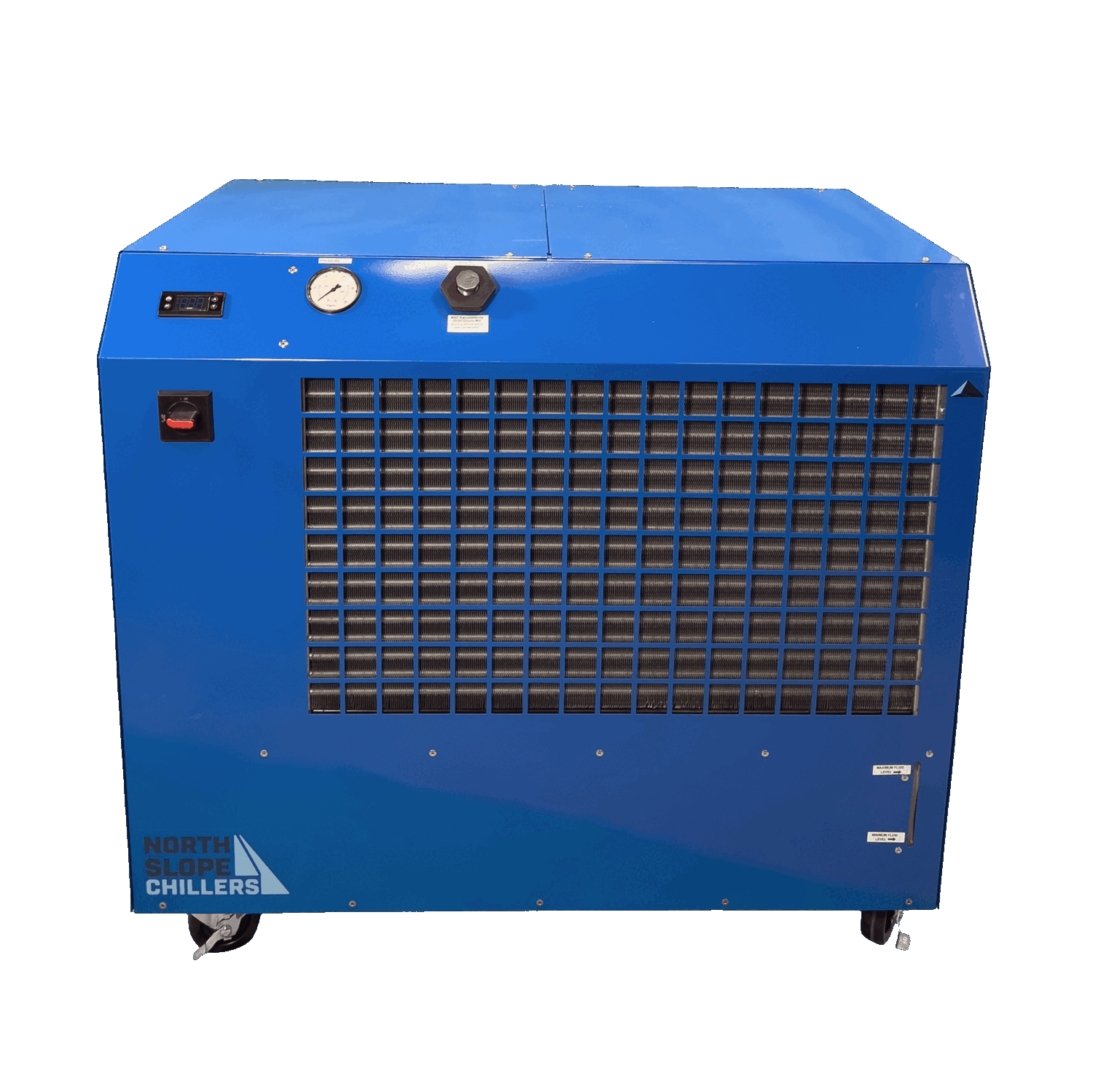
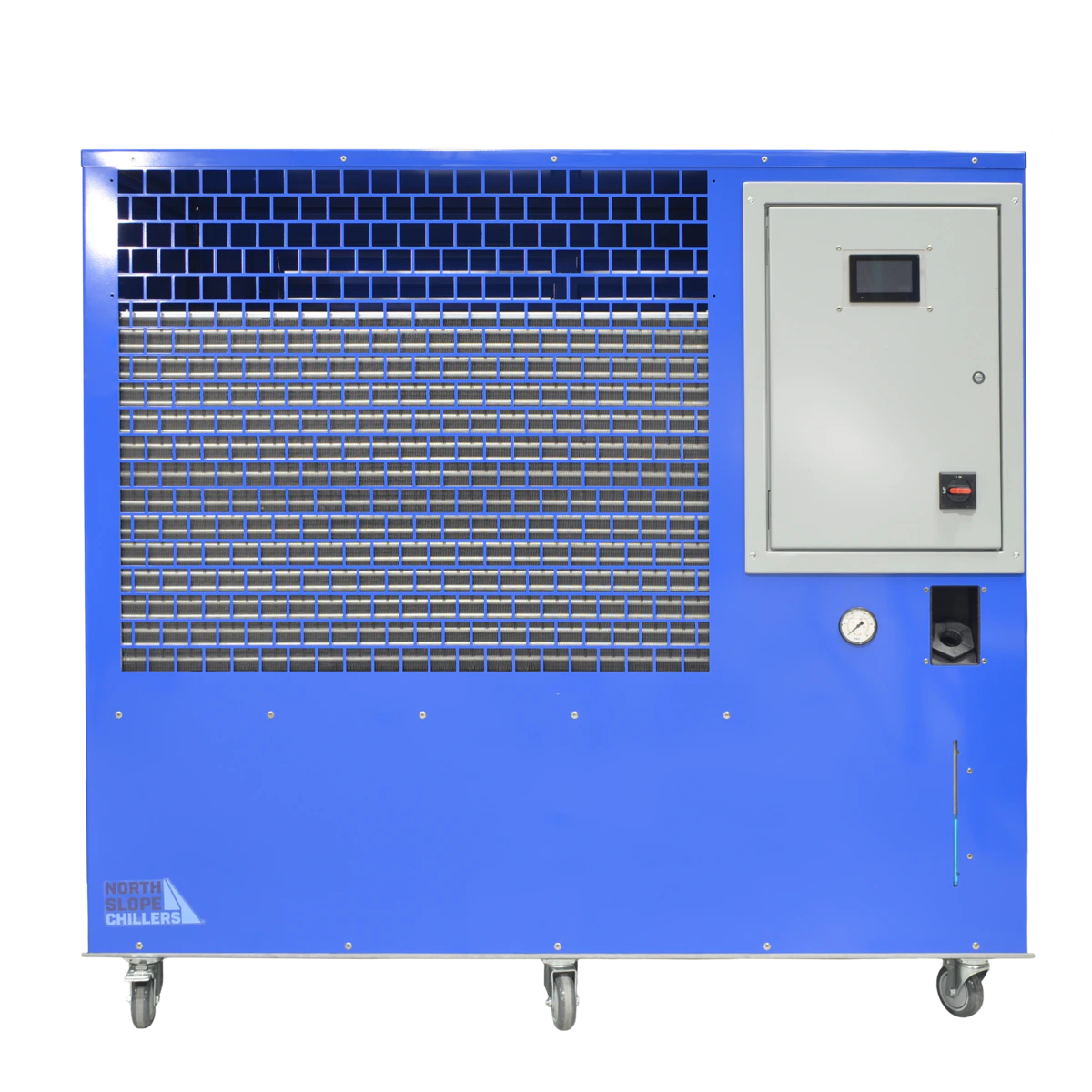
North Slope Chillers systems are designed specifically for this type of application. Our Freeze series chillers range from 1/3 ton to 10 tons, providing the right capacity for any 500-gallon tank scenario. For applications requiring temperatures below 40°F, our Deep Freeze series delivers cooling down to -20°F.
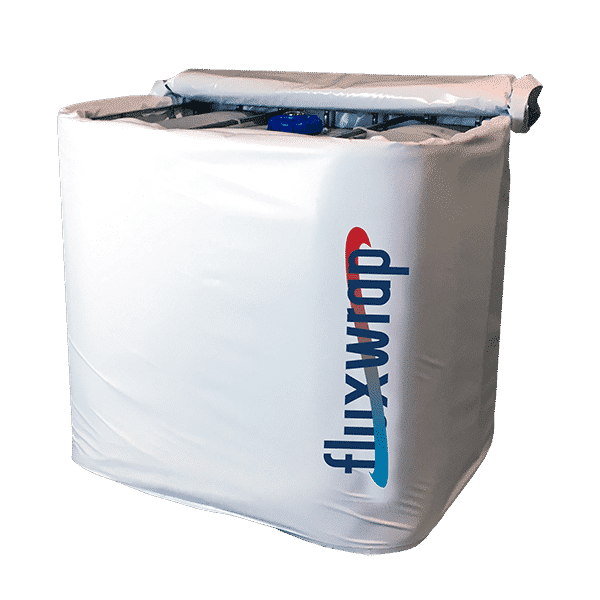
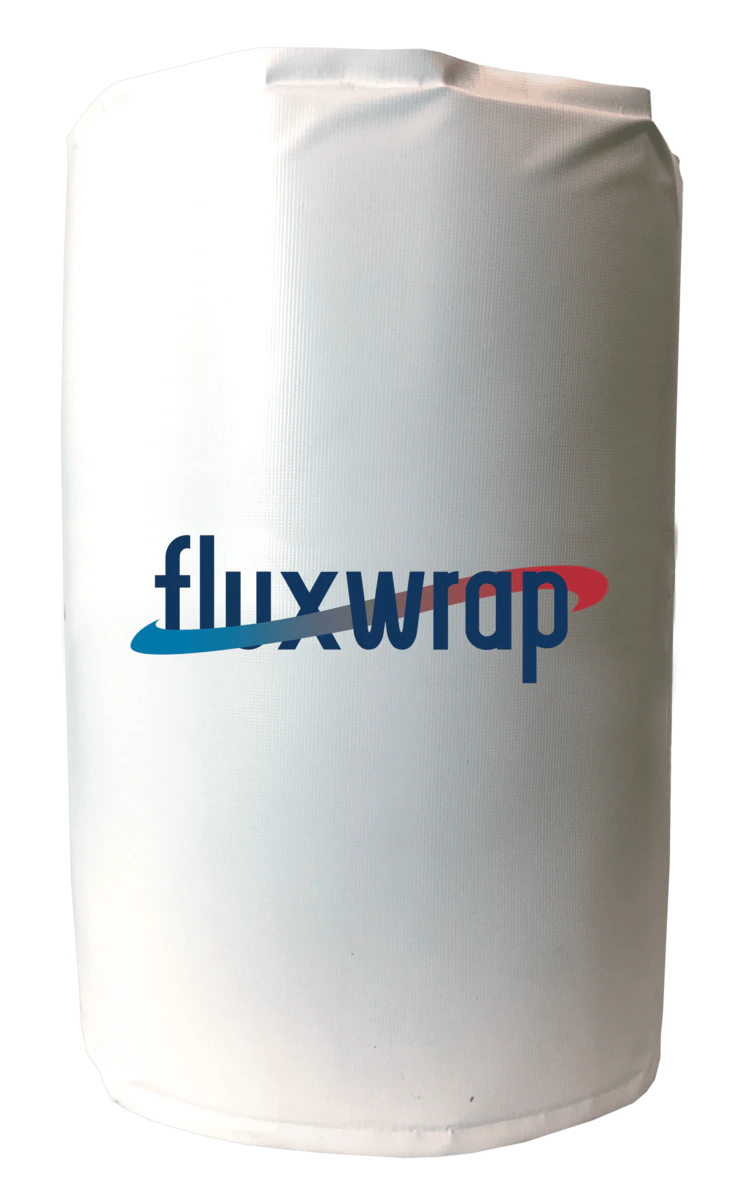
For tank wrapping and surface cooling, our Fluxwrap cooling jackets provide an alternative approach that wraps around drums and totes for direct surface-contact cooling without modifying the tank itself.
Need Help Sizing a Cooling System for Your Tank?
Every tank cooling application is different. The right solution depends on your specific heat load, fluid, temperature targets, and facility layout. Our engineers have designed hundreds of tank cooling systems and can recommend the optimal configuration for your process.
Get a Quote or talk to an engineer — we'll help you get it right the first time.
Frequently Asked Questions
What size chiller do I need for a 500-gallon tank?+
For a 500-gallon tank, a 2-ton to 5-ton chiller is typically recommended depending on the temperature differential, ambient conditions, and how quickly you need to reach the target temperature. A larger heat load or faster pull-down requires a bigger unit.
Is a cooling jacket or immersion coil better for tank cooling?+
Cooling jackets are generally better for sealed tanks where you cannot introduce foreign objects into the product. Immersion coils offer faster heat transfer but require tank access and may pose contamination concerns depending on the application.
How long does it take to cool a 500-gallon tank?+
Cool-down time depends on the starting temperature, target temperature, insulation, and chiller capacity. With a properly sized chiller and Fluxwrap jacket, a typical 50°F temperature reduction takes 2–6 hours for a 500-gallon tank.
Ready to solve your cooling challenge?
Our team has helped thousands of businesses find the right chiller solution. Let us help you next.
Keep exploring: System Design & Solutions
This article is part of our System Design & Solutions resource collection. Browse all the guides in this topic.